Feel Free To Contact Us at
Subscribe to our Newsletter and get the latest updates in the field of Holistic Medicine
Who says certain foods are “unhealthy”?
Not bloggers. Not fitness influencers. Not trends.
The World Health Organization and decades of scientific research do.
This isn’t about eating perfectly.
It’s about understanding which foods quietly increase disease risk — and choosing differently once you know.
For years, nutrition advice has been buried under trends, opinions, and clever marketing. But when you step back and look at large-scale data, the picture becomes far clearer. Organizations like the World Health Organization, Harvard T.H. Chan School of Public Health, and the National Institutes of Health consistently identify poor diet — especially one high in processed, sugary, and ultra-refined foods — as a leading contributor to heart disease, type 2 diabetes, obesity, certain cancers, and early death.
These conditions don’t appear overnight.
They build slowly, through repeated exposure to the same foods, day after day.
These patterns are not just seen in research—they repeatedly show up in long-term population data and real-world health outcomes tracked over decades.
Below are the five worst foods (and food categories) that overwhelming scientific evidence has linked to poor health outcomes. The goal isn’t fear — it’s clarity. Because every bite you take is either supporting long-term health or quietly working against it.
These patterns are not just seen in research—they repeatedly show up in long-term population data and real-world health outcomes tracked over decades.
Below are the five worst foods (and food categories) that overwhelming scientific evidence has linked to poor health outcomes. The goal isn’t fear — it’s clarity. Because every bite you take is either supporting long-term health or quietly working against it.
Bottom line: No nutritional upside. Removing them is one of the fastest health upgrades.
Bottom line: Not “just protein.” Regular intake increases cancer and heart risk.
Bottom line: No safe level. If it says “partially hydrogenated,” avoid it.
Health rarely breaks down all at once.
It changes gradually, shaped by the choices that repeat the most.
You don’t need to eat perfectly to protect your health. You need to understand which foods consistently increase risk — and reduce how often they show up on your plate. The evidence is clear: lowering intake of sugar-sweetened drinks, processed meats, trans fats, refined carbohydrates, and ultra-processed foods improves metabolic health, reduces inflammation, and lowers the risk of chronic disease over time.
This isn’t about restriction or fear.
It’s about awareness and direction.
Once you see the pattern, better choices become easier — not because of discipline, but because the trade-off finally makes sense. Small shifts, repeated consistently, matter far more than short bursts of perfection.
“This isn’t opinion—it’s long-term evidence speaking plainly.”
Occasional consumption is unlikely to cause harm on its own. Health risks increase with frequency and consistency, not single meals. The concern arises when foods like sugary drinks, processed meats, refined carbohydrates, and ultra-processed foods become regular dietary staples. Research consistently shows that long-term exposure—rather than rare indulgence—is what drives metabolic dysfunction and chronic disease risk.
Sugar-sweetened beverages deliver large amounts of sugar without fiber, protein, or satiety signals. Liquid sugar is absorbed rapidly, causing sharp blood-glucose spikes and insulin surges. Unlike solid foods, sugary drinks do not trigger fullness, which often leads to consuming extra calories on top of the drink itself. This makes them particularly harmful for blood sugar control, weight regulation, and long-term metabolic health.
Yes. While excessive red meat intake may carry risks, processed meats are consistently shown to be more harmful. They are classified by the World Health Organization as carcinogenic due to preservatives, nitrites, high sodium levels, and harmful compounds formed during processing. Unprocessed meats, when consumed in moderation, do not carry the same level of cancer risk as processed varieties.
In many countries, industrial trans fats have been significantly reduced or banned. However, small amounts can still appear due to labeling loopholes, imported foods, or older cooking oils. Checking ingredient lists for “partially hydrogenated oils” remains important, especially when consuming packaged or fried foods outside regulated environments.
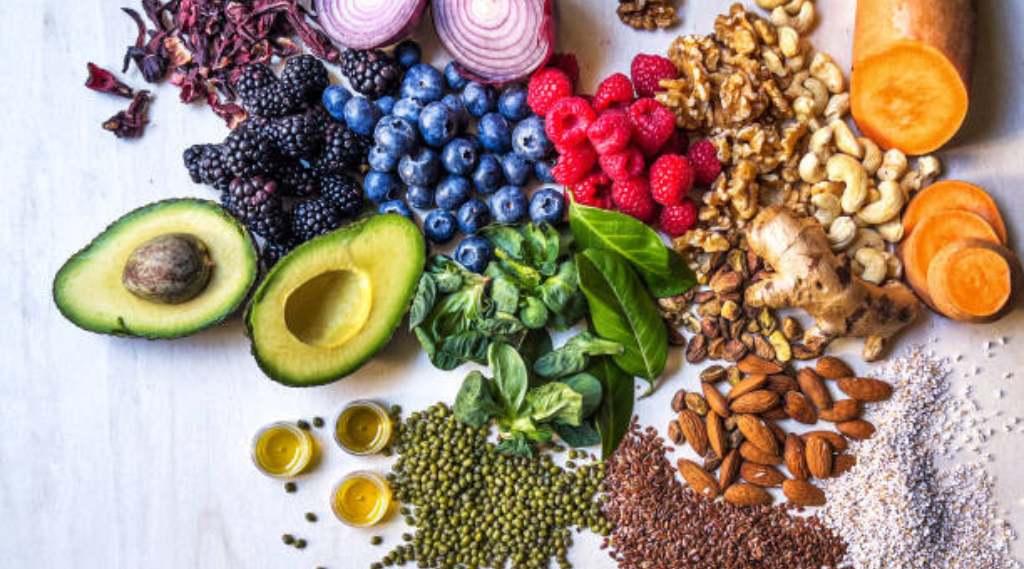
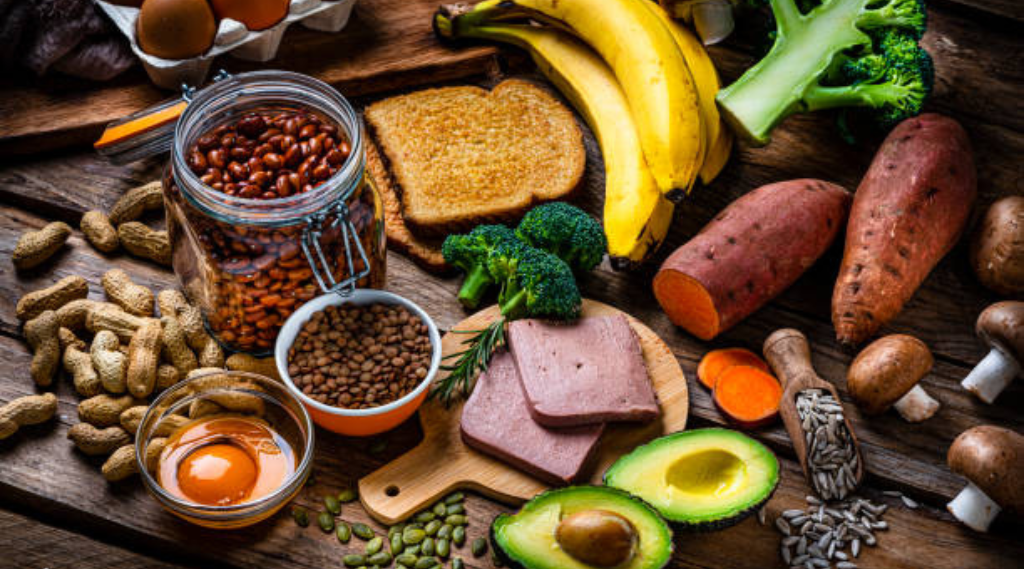
Replacing these foods with whole or minimally processed options makes the biggest difference. This includes vegetables, fruits, legumes, whole grains, nuts, seeds, eggs, fish, and lean proteins. These foods support stable blood sugar, healthier cholesterol levels, reduced inflammation, and improved long-term health outcomes without the metabolic stress caused by ultra-processed alternatives.

Choose evidence-based nutrition and reduce these five foods to protect your long-term health.