Why More People After Divorce Are Using Peptides to Feel Good Again
Why Peptides Are Becoming a Part of Healing After Divorce
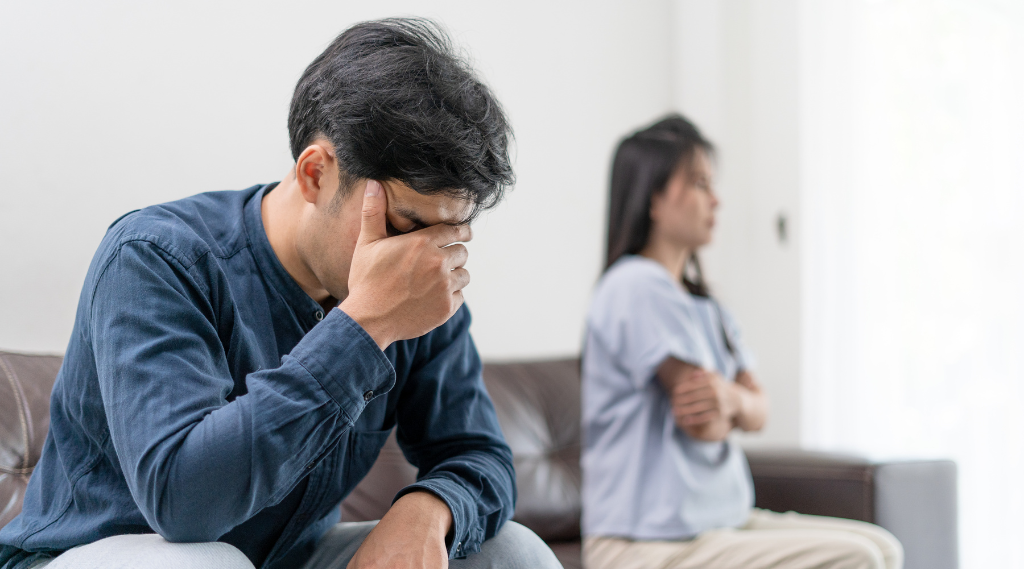
After divorce, people often go through two kinds of healing — the kind the world can see, and the kind they can’t. The second one takes longer. It’s the slow return of self-worth, energy, and the belief that they can still feel strong and beautiful.
That’s where many are discovering peptides. They’re not magic fixes, but they help the body repair, rest, and feel balanced again. Some use them to rebuild muscle, others for better sleep, and many simply to feel more confident in their skin.
It’s not about changing who they are. It’s about recognizing themselves again — stronger, calmer, and grounded.
Top 5 Reasons People Use Peptides After Divorce
Every person’s story after divorce is different. But when you listen closely, there’s a quiet theme — the desire to feel better, inside and out. Peptides are simply one of the tools helping them get there.
It’s not about peptides. It’s about people finding ways to feel alive again.
1. To Feel in Control Again
After a divorce, life can feel unpredictable. Using peptides for better energy, focus, or physical health gives people a sense of structure and control — something steady when emotions still feel uncertain. It’s a small, proactive way to say, “I’m taking care of myself again.”
2. To Rebuild Confidence
Confidence often takes the biggest hit after separation. Peptides that support healthy skin, lean muscle, and hormone balance help people reconnect with themselves. It’s not vanity — it’s self-respect. It’s that quiet, healing act of wanting to see a face in the mirror that looks as alive as they feel inside.
3. To Support Physical and Emotional Recovery
Divorce brings stress that seeps into the body — fatigue, poor sleep, and low motivation. According to some studies, certain peptides help regulate sleep patterns and support muscle repair. Feeling rested and strong again gives people energy to approach their next chapter with calm instead of exhaustion.
4. To Prepare for a Fresh Start
For some, starting over means dating again. For others, it’s about walking into a room and feeling at ease in their own skin. Peptides that promote healthy skin, metabolism, and hormonal balance are seen as gentle tools for that fresh start — not out of pressure, but out of hope.
5. To Treat Themselves with Care
Maybe for the first time in years, people are doing something purely for themselves — therapy, fitness, nutrition, and sometimes, peptides. Each choice says, “I matter.” Peptides become less about looks and more about kindness — reminders that healing isn’t only emotional; it’s physical, too.
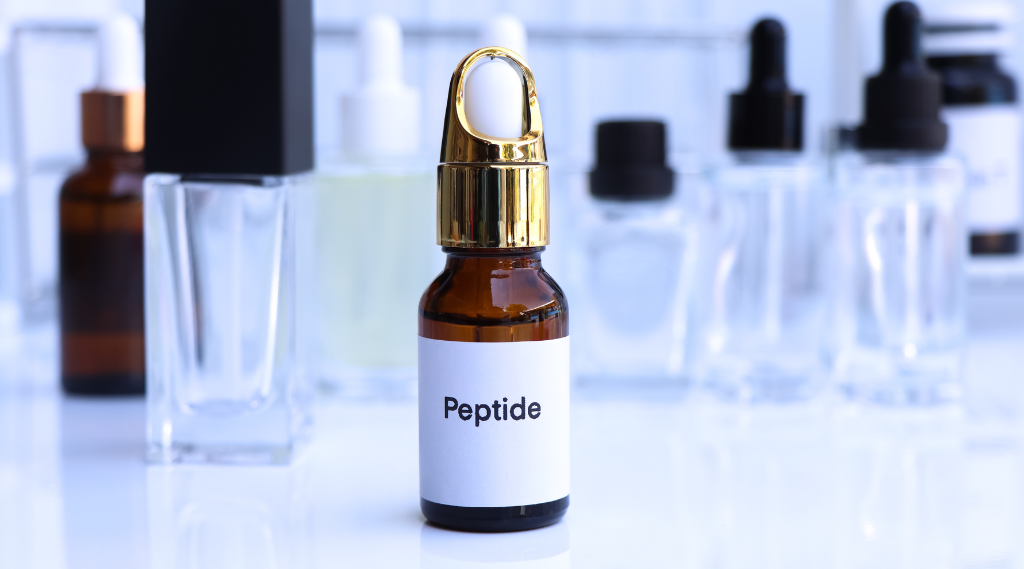
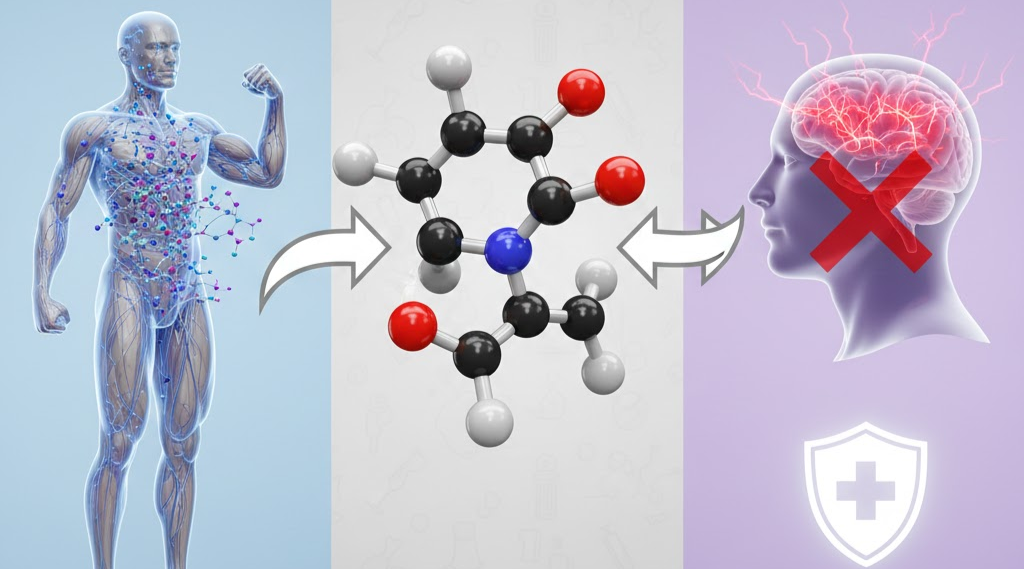
Before trying anything new, most people start by learning what peptides really do. These aren’t miracle shots — they’re short chains of amino acids that support how the body repairs, rests, and functions. Below are a few that often come up in honest, open discussions about health and renewal.
1. GLP-1 Peptides (like Semaglutide and Tirzepatide)
These are known for helping with weight balance and appetite control. Many use them under medical guidance to feel lighter, improve metabolism, and support long-term health. (Always prescribed by a licensed doctor.)
2. Collagen-Boosting Peptides
After emotional stress, skin and hair often show the signs first. Collagen-supporting peptides help improve skin texture, firmness, and elasticity — giving a natural, healthy glow that makes people feel refreshed.
3. BPC-157 and TB-500 (Healing Peptides)
Used carefully under professional supervision, these peptides may support muscle and tissue recovery. They’re popular among people getting back to physical activity after taking time off.
4. CJC-1295 and Ipamorelin (Growth Support Peptides)
These are known for helping the body produce more natural growth hormone, which supports better sleep, energy, and recovery — helping people feel more youthful from the inside out.
Important Note: Peptides should never be self-prescribed or purchased online without a doctor’s care. Always consult a licensed healthcare provider to ensure safety, proper dosage, and medical suitability.
How Peptides Fit Into a Healthier, Happier Lifestyle After Divorce
Most people who try peptides after divorce soon realize — it’s not about chasing who they were. It’s about caring for who they’re becoming. Peptides simply join a mix of small, steady choices that bring both the body and mind back into balance.
Here’s how many are reshaping their routines:
Therapy and self-reflection: Building emotional strength and learning to forgive — themselves and the past.
Regular exercise: Moving the body again through walking, yoga, or strength training helps rebuild inner confidence.
Healthier meals: Eating with intention, not restriction — adding more protein, hydration, and real nutrition.
Better rest: Sleep improves with routine, and peptides that support recovery make this easier.
Setting boundaries: Learning to say no, creating space for calm, and keeping only what feels right.
When these pieces come together, people begin to feel centered again. The physical strength they gain reflects inner growth. It’s not just healing — it’s rediscovering peace, one simple choice at a time.
FAQs
Not at all. While many people notice changes in energy, skin, or fitness, peptides often help with sleep, mood balance, and recovery — all essential when rebuilding emotional health after a big life shift.
Yes. Peptides should always be prescribed and monitored by a licensed medical professional to ensure safe and effective use tailored to your individual goals.
It varies by body and lifestyle. Some feel improvements in energy and sleep within weeks, while visible changes in skin tone or muscle recovery may take a few months.
Absolutely — that’s often where the best results happen. Peptides work best when paired with mindful habits like therapy, exercise, and balanced nutrition.
Most people tolerate peptides well, but medical consultation is key. A professional can assess your health, set proper dosages, and monitor for side effects.
Yes. For adoptees or anyone with limited background information, DNA testing can fill in gaps about ancestry and health risks. Just be prepared—results can sometimes reveal unexpected family connections.
Absolutely. Clinicians now use pharmacogenomic (PGx) data to guide medication dosing and avoid side effects. Nutritionists and functional medicine practitioners also use DNA insights to personalize diet and supplement strategies.
Not necessarily. It’s most valuable when a rare or unexplained condition is suspected. For most people, targeted wellness or PGx panels provide actionable insights without the data overload.
A New Beginning That Starts With You
Healing after divorce isn’t just about moving on — it’s about rediscovering yourself. For many, peptides have become a way to not only look better but feel alive again — to reclaim energy, rebuild confidence, and step into a new chapter with self-respect and purpose.
Whether it’s about finding love again or simply honoring the person you’re becoming, this journey is yours — and it deserves the best care, inside and out.
Because healing isn’t just about what you leave behind. It’s about everything you’re ready to become.
Ready to feel like yourself again—strong, rested, and grounded?
The information provided on this blog and website is for informational and educational purposes only and is not intended as a substitute for professional medical advice, diagnosis, or treatment. Always seek the guidance of your physician or another qualified health provider with any questions you may have regarding a medical condition, diagnosis, or treatment plan. Do not disregard or delay professional medical advice because of information you have read on this website.
The content presented may include discussions of wellness therapies, dietary supplements, compounded medications, functional medicine services, and other integrative or alternative treatments that are not evaluated or approved by the U.S. Food and Drug Administration (FDA). These services and products are not intended to diagnose, treat, cure, or prevent any disease.
The content is provided “as is,“ without warranties of any kind, either express or implied. While we strive to ensure accuracy, we make no guarantees regarding the completeness, timeliness, or accuracy of the information presented. The website and its authors disclaim any liability for errors, omissions, or outcomes related to the use of the information provided.
Reference to any specific tests, products, procedures, healthcare professionals, or opinions is not an endorsement or recommendation unless explicitly stated. Links to external websites are provided for convenience and do not constitute an endorsement or guarantee of the content contained therein.
Your use of this website constitutes your acceptance of this disclaimer and any future modifications. If you do not agree, please do not use the site.
This disclaimer shall be governed by and construed in accordance with the laws of the State of Florida, without regard to conflict of law principles
Dr. Koffler is a Physiatrist, specializing in Physical Medicine & Rehabilitation.
Graduated from the Sackler School of Medicine at Tel Aviv University in 1993 Dr. Koffler completed a one-year internship in internal medicine at Roosevelt Hospital in New York City.
Residency in Physical Medicine and Rehabilitation at the Rusk Institute at NYU Medical Center in New York City. Board certified in 1998.
Trained in acupuncture at Helms Medical Institute at UCLA His medical practice incorporates proven conventional western medicine integrating eastern alternative practices.
Medical Director of several medical clinics in NYC, Stamford CT, and Miami Beach, FL.