Subtotal $0.00

Feel Free To Contact Us at
- Phone:(888)-896-5577
- Email:dr.koffler@hmwcenter.com
Subscribe to our Newsletter and get the latest updates in the field of Holistic Medicine
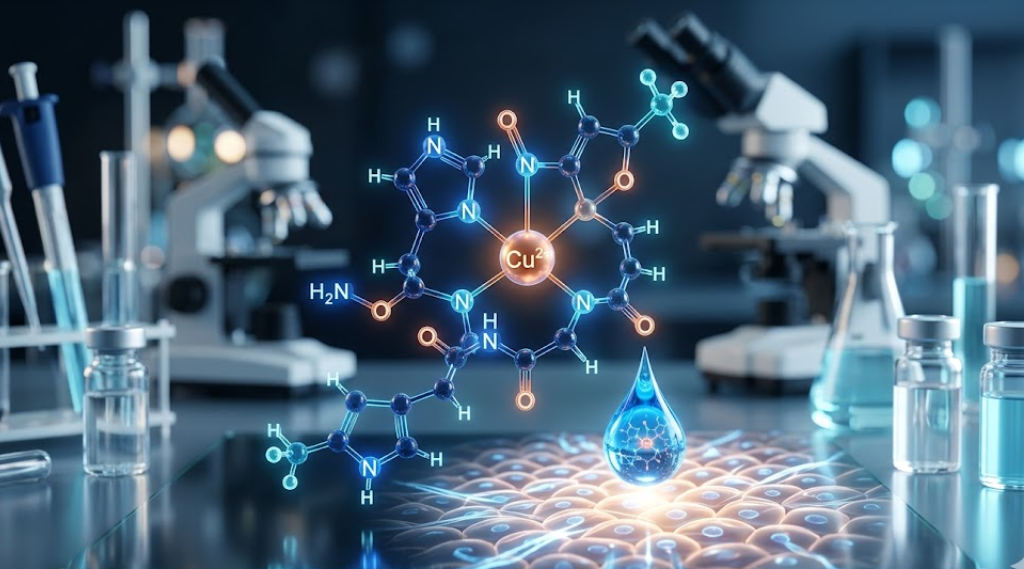
Collagen loss, skin aging, slower recovery, and hair thinning have fueled growing interest in regenerative peptides—and few compounds have attracted as much attention as GHK-Cu.
Originally discovered in human plasma, this naturally occurring copper peptide has been studied for decades in connection with collagen signaling, wound healing, skin rejuvenation, and tissue repair pathways. Today, it appears in everything from advanced skincare serums to regenerative aesthetic protocols and peptide therapy discussions.
But what does science actually say?
While early research surrounding GHK-Cu is promising, many claims online go far beyond current clinical evidence. Understanding the difference between emerging research and marketing hype is essential before considering any peptide-based wellness or skincare approach.
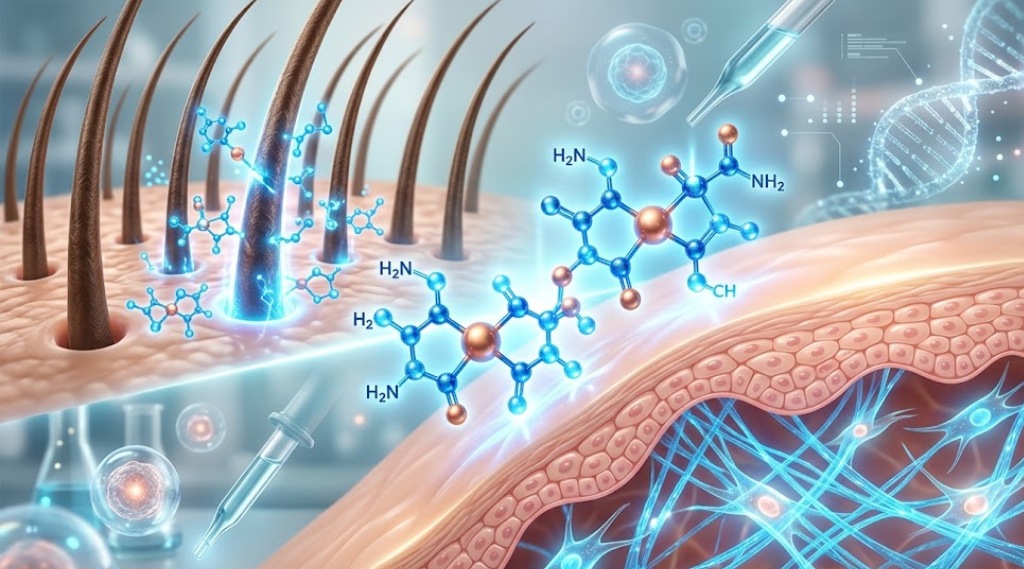
GHK-Cu stands for glycyl-L-histidyl-L-lysine copper peptide, a naturally occurring copper-binding tripeptide first identified in human plasma in the 1970s.
One reason GHK-Cu attracts attention in regenerative medicine is that its concentration appears to decline with age. Some researchers hypothesize that reduced levels may contribute to changes associated with skin aging and slower tissue recovery.
Although interest in GHK-Cu continues to grow in longevity and aesthetics communities, it is important to understand that much of the evidence remains preliminary, mechanistic, or derived from laboratory and animal studies rather than large-scale human clinical trials.
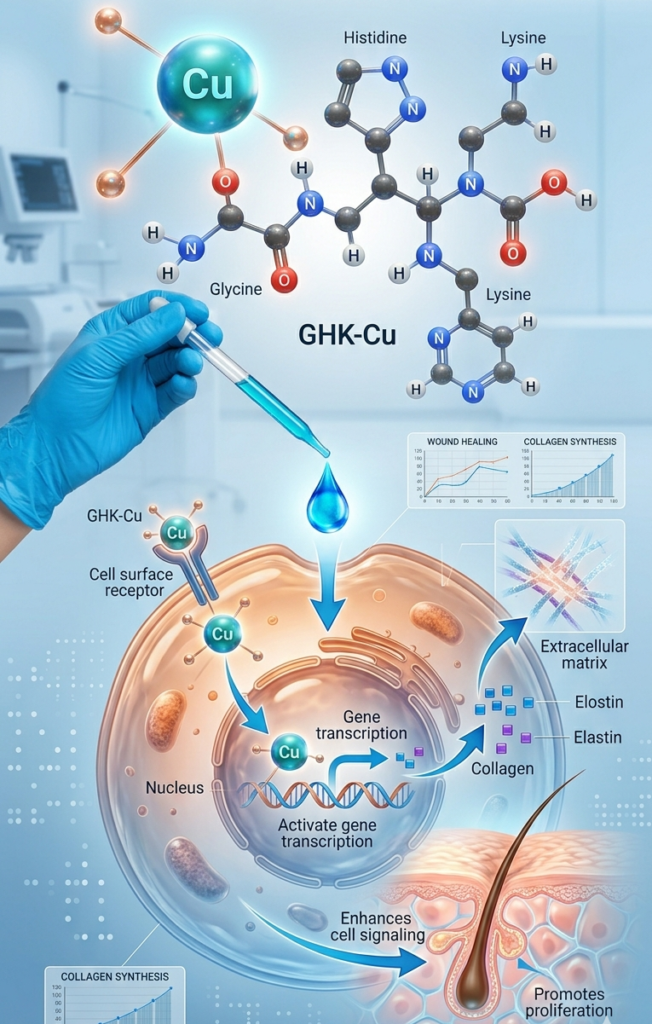
GHK-Cu is often described as a signaling peptide, meaning it may influence how cells communicate during repair and regeneration processes.
Researchers have explored its potential role in:
Fibroblasts are connective tissue cells responsible for producing:
As skin ages, fibroblast activity may decline, contributing to:
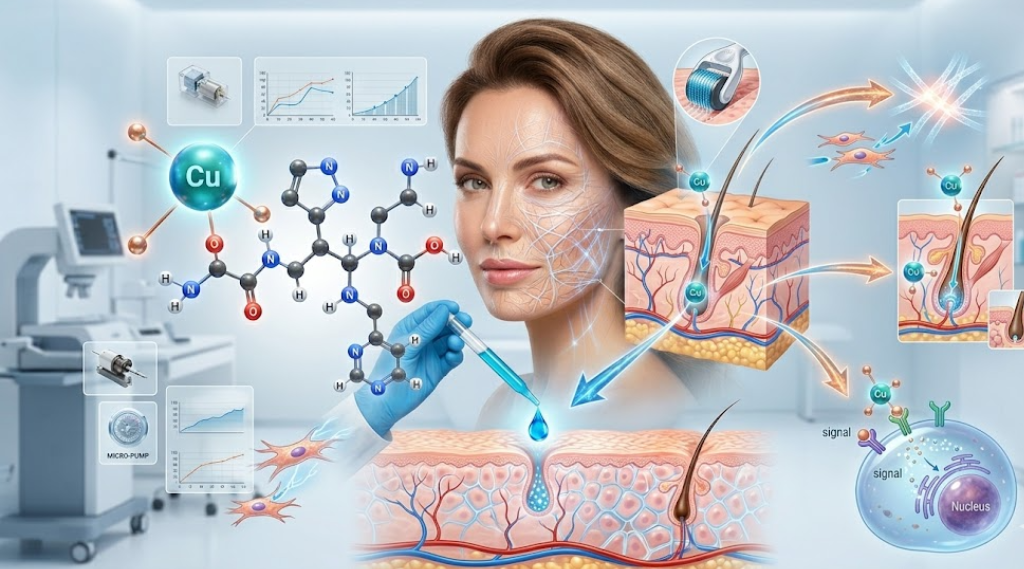
Oxidative stress occurs when free radicals overwhelm the body’s antioxidant defenses, potentially contributing to:
Researchers have studied GHK-Cu for its potential antioxidant properties and possible role in:
This antioxidant interest is one reason GHK-Cu is discussed in longevity and wellness communities, although more robust human research is still needed.
Inflammation is a normal part of healing, but chronic or excessive inflammation may impair tissue recovery and contribute to visible skin aging.
Some laboratory studies suggest GHK-Cu may help regulate inflammatory signaling pathways associated with wound healing and tissue remodeling. Researchers have explored its potential role in:
Again, these findings should be interpreted carefully, as clinical outcomes in humans may differ from laboratory observations.
Fine Lines & Elasticity
GHK-Cu is commonly included in advanced skincare formulations because research suggests it may help support:
This may potentially contribute to improvements in:
Some individuals report smoother or firmer-looking skin after consistent use of copper peptide products, though results vary significantly based on:
t to drink water consistently. Waiting until you feel thirsty may already mean you’re mildly dehydrated.
Skin Barrier & Photoaging Support
Environmental stressors such as UV exposure, pollution, and oxidative damage may accelerate visible aging.
Researchers have explored whether GHK-Cu may help support:
While promising, these applications remain part of an evolving research area rather than definitive clinical conclusions.
GHK-Cu has also been studied for its potential effects on scalp health and hair follicle environments.
Researchers have explored whether copper peptides may help support:
Some topical hair products include GHK-Cu due to these theoretical mechanisms.
However, current evidence does not establish GHK-Cu as a proven treatment for hair loss conditions. Individuals experiencing significant hair thinning should seek evaluation from a qualified healthcare professional to identify underlying causes.
One of the most researched areas involving GHK-Cu relates to wound healing and tissue repair pathways.
Studies have investigated its potential role in:
This is why GHK-Cu is sometimes discussed in:
Importantly, outcomes are highly individualized, and more human clinical research is needed to determine standardized protocols and long-term efficacy.
In biohacking and longevity communities, GHK-Cu is often discussed because of its association with:
Some researchers have explored how peptide signaling may influence age-related biological processes, though many longevity-related claims currently exceed available clinical evidence.
At present, GHK-Cu should be viewed as an emerging area of regenerative science rather than a validated anti-aging intervention.
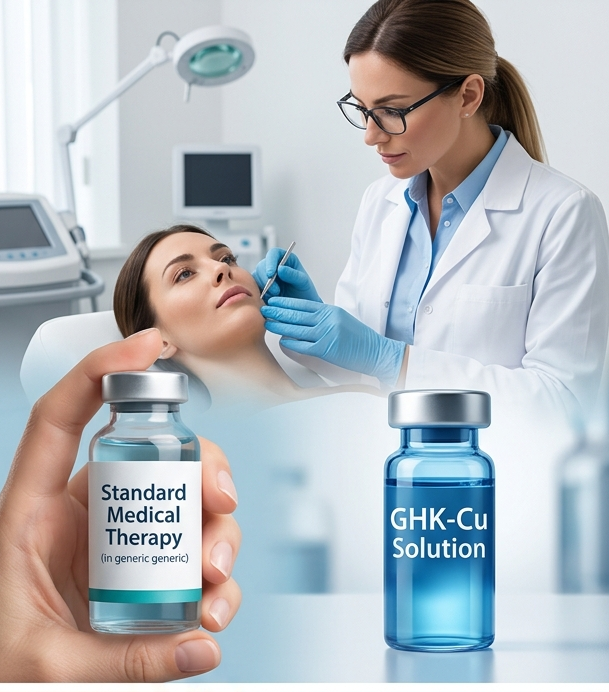
GHK-Cu should not be viewed as:
Results vary substantially between individuals, and many peptide-related claims online exceed current scientific evidence.
GHK-Cu should not be viewed as:
Results vary substantially between individuals, and many peptide-related claims online exceed current scientific evidence.
Improving hydration requires a consistent and intentional approach. Here are practical strategies to support both hydration and cognitive performance:
Topical GHK-Cu products are among the most common forms available.
These formulations may include:
Topical use is often preferred for:
Product quality matters significantly, as peptide stability and formulation integrity can influence effectiveness.
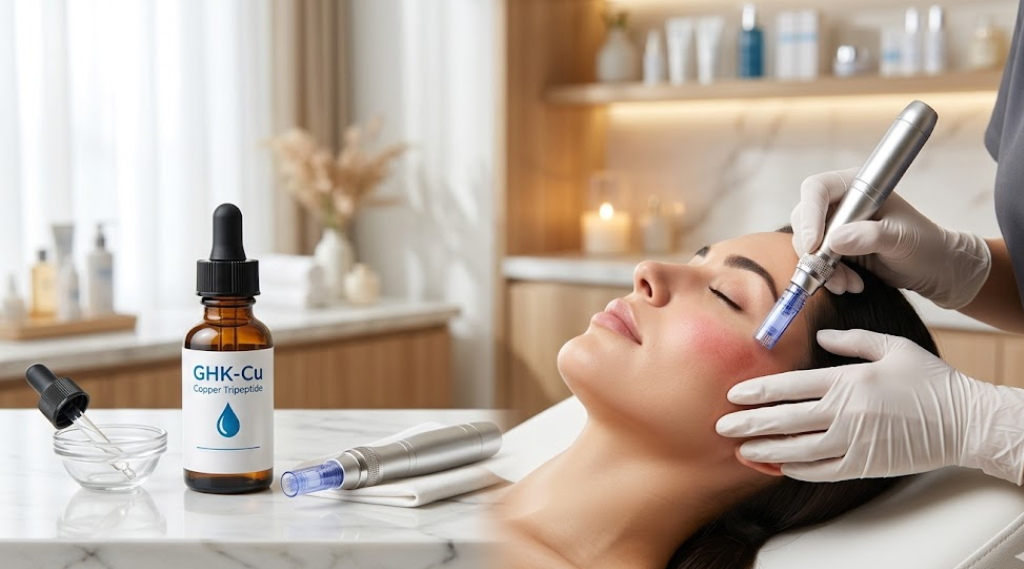
Some practitioners combine GHK-Cu with microneedling protocols to potentially enhance penetration and collagen-supportive signaling.
This approach is typically discussed in regenerative aesthetics and professional skincare environments.
However, applying active compounds immediately after microneedling may increase irritation risk in sensitive individuals.
Professional supervision may help determine appropriate timing, formulation selection, and skin compatibility.
Injectable forms of GHK-Cu are sometimes discussed within peptide therapy communities and wellness clinics.
These formulations may be compounded through specialized pharmacies, though:
Injectable peptide therapies should only be considered under the guidance of qualified licensed healthcare professionals familiar with peptide medicine and patient-specific risk factors.
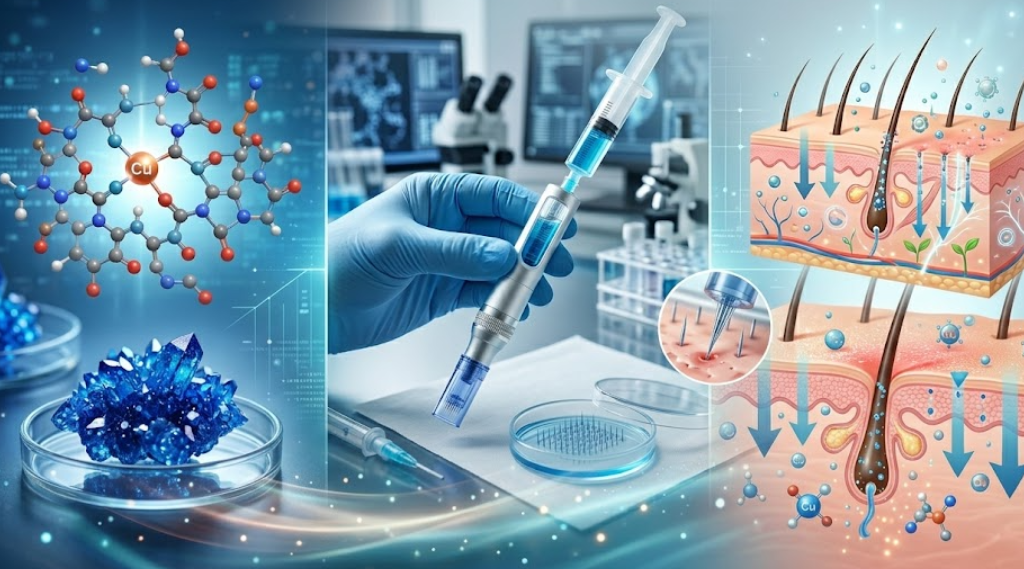
Microneedling works by creating controlled micro-injuries in the skin that stimulate natural repair pathways.
Because GHK-Cu has been studied for collagen signaling and tissue repair support, some practitioners pair the two approaches as part of regenerative skincare protocols.
Potential goals may include:
Individuals should understand:
Aggressive application of active ingredients after procedures may increase:
Professional guidance is especially important for individuals with:
While GHK-Cu is widely used in cosmetic skincare formulations, many peptide-related applications remain investigational or are used within emerging regenerative medicine settings. Regulatory oversight and evidence quality may vary depending on formulation type, compounding source, and intended use.
Although many individuals tolerate topical copper peptide products well, side effects may occur.
Potential reactions include:
Patch testing is often recommended before introducing new peptide-based skincare products.
One of the most important considerations with peptide therapies is product quality.
Not all products are manufactured under the same standards, and compounded peptide formulations may vary in:
Low-quality or improperly sourced products may carry additional risks.
Individuals considering injectable peptide therapies should seek care from licensed professionals using reputable sourcing and compounding practices.
Research involving GHK-Cu continues to evolve.
While laboratory and early clinical findings are promising in some areas, there remains:
It is important to recognize that not all applications of GHK-Cu are FDA-approved.
Some individuals interested in regenerative wellness or advanced skincare may consider discussing GHK-Cu with a qualified healthcare professional if they are exploring:
Goals may include:
However, responses are individualized, and realistic expectations are essential.
GHK-Cu may not be appropriate for everyone.
Individuals should speak with a licensed healthcare professional before use if they:
Professional evaluation may help determine whether a peptide-based approach is appropriate for an individual’s health status and goals.
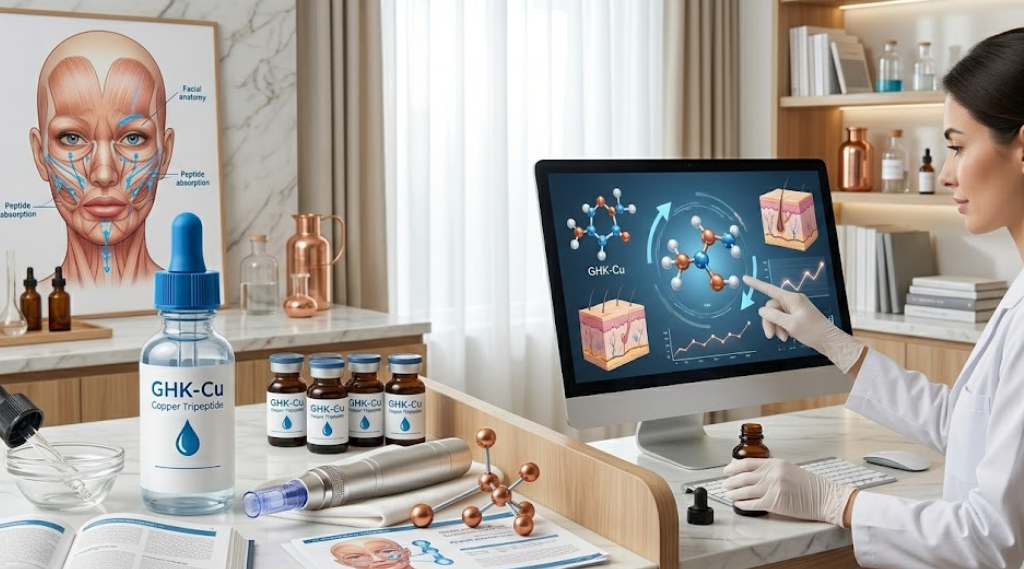
GHK-Cu has been studied for its potential role in supporting collagen signaling, skin repair pathways, hydration, and overall skin texture. Research is ongoing, and results vary between individuals.
Some studies suggest GHK-Cu may help support fibroblast activity and collagen-related signaling pathways associated with tissue repair and skin remodeling.
Topical GHK-Cu is generally considered well tolerated for many individuals, though irritation and sensitivity may occur. Injectable peptide therapies require medical supervision and careful sourcing.
Research has explored GHK-Cu in relation to scalp health and follicle signaling, but evidence remains limited. It should not be viewed as a guaranteed hair loss solution.
Not necessarily. Topical and injectable forms differ in delivery and intended use. Injectable therapies carry additional considerations related to sterility, regulation, and supervision.
Some practitioners pair GHK-Cu with microneedling to support collagen remodeling and recovery pathways. However, skin sensitivity and irritation risk should be considered.
Visible changes may take several weeks or months depending on the formulation, skin condition, consistency of use, and individual biological factors.
GHK-Cu has been studied in laboratory and early clinical research involving wound healing, collagen signaling, and tissue repair. More large-scale human studies are still needed.
Potential side effects may include redness, irritation, itching, dryness, or sensitivity reactions. Product quality and formulation can influence tolerability.
Individuals who are pregnant, breastfeeding, highly sensitive to skincare activities, or managing certain medical conditions should consult a qualified healthcare professional before use.
Interest in GHK-Cu reflects a broader shift toward regenerative medicine, evidence-based skincare, and biologically informed wellness approaches. Its potential role in collagen signaling, tissue repair, and skin rejuvenation has made it an increasingly discussed topic in both dermatology and regenerative aesthetics.
At the same time, peptide therapies should be approached with realistic expectations, proper guidance, and an emphasis on safety, product quality, and individualized care. Research surrounding GHK-Cu continues to evolve, and professional evaluation can help determine whether a peptide-based approach aligns with your specific skin, wellness, or recovery goals.
At Holistic Medical Wellness , our team focuses on medically guided regenerative wellness and advanced aesthetic strategies tailored to each individual’s goals, skin health, and recovery needs. Whether you are exploring collagen-supportive skincare, microneedling, peptide-based wellness approaches, or personalized regenerative aesthetic care, a professional consultation can help determine the safest and most appropriate next steps for your situation.