Let’s Stay In Touch

Shopping cart

Subtotal $0.00

View cartCheckout

Bioidentical Hormone Therapy for Hot Flashes and Night Sweats: Benefits, Risks & What to Know

What Women Should Know Before Starting Treatment

HMW Blogwr

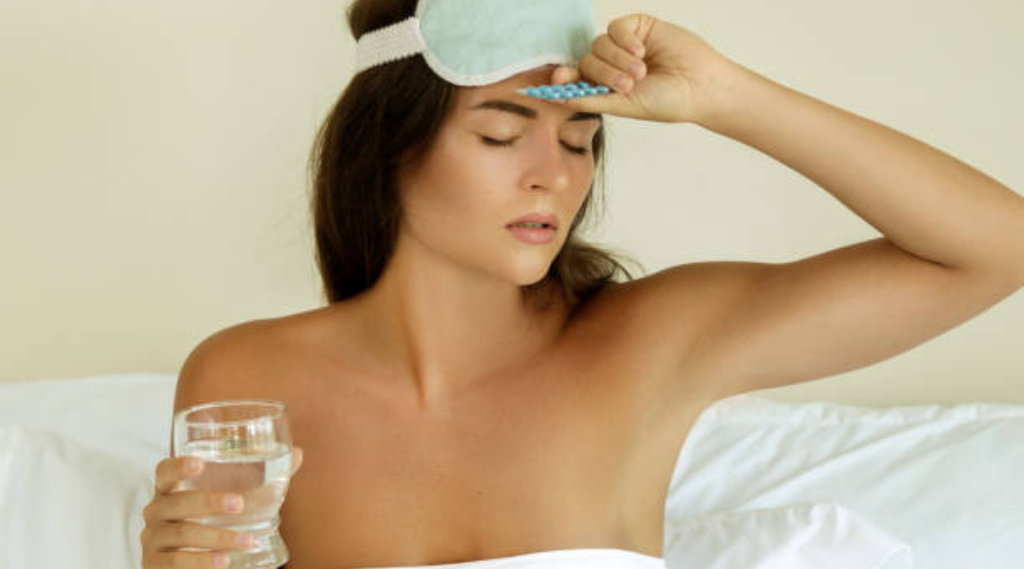
Hot flashes that appear without warning. Night sweats that interrupt your sleep. Mood changes, fatigue, and brain fog that seem to come out of nowhere.

For many women, these symptoms become increasingly common during perimenopause and menopause as hormone levels naturally change. While lifestyle modifications may provide relief for some, others experience symptoms severe enough to interfere with daily life and overall well-being.

One treatment option that has gained significant attention is Bioidentical Hormone Replacement Therapy (BHRT). Many women consider BHRT to help manage menopausal symptoms, particularly hot flashes and night sweats. But before beginning treatment, it’s important to understand how it works, who may benefit, the potential risks, and what current medical evidence says.

Quick Answer

Can bioidentical hormone therapy help hot flashes and night sweats?

Yes. Bioidentical hormone therapy may help reduce the frequency and severity of hot flashes and night sweats caused by declining estrogen levels during menopause. However, treatment is not appropriate for everyone. The decision to start hormone therapy should be based on your symptoms, medical history, personal risk factors, and a discussion with a qualified healthcare provider.

Understanding Hot Flashes and Night Sweats

HMW Bloglh

Hot flashes and night sweats are among the most common symptoms of menopause.

A hot flash is a sudden feeling of warmth that usually starts in the chest, neck, or face before spreading throughout the body. Some women also experience:

  • Flushed skin
  • Rapid heartbeat
  • Sweating
  • Chills after the episode
  • Anxiety during the episode

When these episodes occur during sleep, they’re known as night sweats, which can repeatedly interrupt sleep and contribute to fatigue, irritability, and difficulty concentrating the next day.

Although every woman’s experience is different, these symptoms can last for several years during the menopausal transition.

Why Do Hot Flashes and Night Sweats Happen?

The primary cause is declining estrogen levels.

As women approach menopause, estrogen production by the ovaries gradually decreases. Estrogen plays an important role in regulating the body’s internal temperature through the hypothalamus, often called the body’s thermostat.

When estrogen levels fluctuate, the brain may become more sensitive to even small changes in body temperature. As a result, the body may respond by:

  • Widening blood vessels (vasodilation)
  • Increasing sweating
  • Raising heart rate
  • Triggering a sudden sensation of heat

This explains why hot flashes often occur unexpectedly—even in cool environments.

What Is Bioidentical Hormone Therapy?

Bioidentical Hormone Replacement Therapy (BHRT) uses hormones that are chemically similar to those naturally produced by the human body.

Depending on your individual needs, treatment may include:

  • Estrogen
  • Progesterone
  • Testosterone (in select cases under medical supervision)

These hormones are available in several forms, including:

  • Creams
  • Gels
  • Patches
  • Capsules
  • Vaginal preparations
  • Pellets (for selected patients)

The goal is to relieve symptoms caused by hormone changes while using the lowest effective dose for the appropriate duration based on individual health needs.

How Bioidentical Hormone Therapy May Help Hot Flashes and Night Sweats

HMW Blogsddddddddddd

For women whose symptoms are related to menopause, restoring hormone balance may help reduce vasomotor symptoms such as hot flashes and night sweats.

Potential benefits may include:

  • Fewer hot flashes
  • Reduced night sweats
  • Better sleep quality
  • Improved daily comfort
  • Enhanced quality of life
  • Less disruption to work and daily activities

Many women also report improvements in symptoms that commonly occur alongside menopause, including mood changes, vaginal dryness, and reduced energy. However, symptom improvement varies from person to person.

How Long Does It Take to Notice Results?

One of the most common questions women ask is how quickly hormone therapy starts working.

Although every woman responds differently, some people begin noticing improvements in hot flashes and night sweats within several weeks of starting treatment. For others, it may take longer before symptoms improve.

Your healthcare provider will typically monitor your progress and adjust treatment if necessary to help achieve symptom relief while minimizing potential risks.

Is Bioidentical Hormone Therapy Right for Every Woman?

Not necessarily.

While BHRT may provide significant symptom relief for some women, it isn’t appropriate for everyone.

Your healthcare provider will consider several factors before recommending treatment, including:

  • Your age
  • Whether you’re in perimenopause or menopause
  • Severity of symptoms
  • Personal medical history
  • Family history
  • Risk factors for cardiovascular disease
  • History of breast or uterine cancer
  • Blood clotting disorders
  • Liver disease

A thorough medical evaluation helps determine whether hormone therapy is an appropriate option for your individual circumstances.

What Are the Potential Risks?

HMW

Like conventional menopausal hormone therapy, bioidentical hormone therapy carries potential risks as well as benefits.

The risks vary depending on factors such as:

  • Your age
  • Time since menopause
  • Overall health
  • Type of hormone used
  • Dose
  • Route of administration
  • Length of treatment

Possible risks may include:

  • Blood clots
  • Stroke
  • Gallbladder disease
  • Breast tenderness
  • Irregular bleeding
  • Increased risk of certain conditions in some women

Because every woman has a unique medical history, treatment decisions should always be individualized rather than based on generalized recommendations.

FDA-Approved vs Compounded Bioidentical Hormones

Not all bioidentical hormone therapies are the same, and understanding the difference is an important part of making an informed treatment decision.


Several bioidentical hormone products have been approved by the U.S. Food and Drug Administration (FDA). These medications are manufactured under strict quality standards and are evaluated for safety, effectiveness, and consistent dosing.

Depending on your treatment plan, FDA-approved bioidentical hormones may be available as:

  • Skin patches
  • Gels
  • Creams
  • Oral capsules
  • Vaginal inserts

Your healthcare provider can determine whether one of these options is appropriate based on your symptoms and medical history.


Some women are prescribed compounded bioidentical hormones, which are custom-made by specialized pharmacies. These formulations may be considered when a patient requires a specific dose or combination that is not commercially available.

However, compounded hormones are not FDA-approved, and major medical organizations note that they have not undergone the same level of testing for safety, quality, effectiveness, and dosing consistency as FDA-approved products.

If compounded therapy is being considered, it's important to discuss the potential benefits and limitations with your healthcare provider.


What Happens During Your First Bioidentical Hormone Therapy Consultation?

HMW B

Before recommending hormone therapy, your healthcare provider will perform a comprehensive evaluation to understand both your symptoms and your overall health.

Your appointment may include:


Your provider may ask about:

  • Menstrual history
  • Menopause symptoms
  • Sleep quality
  • Mood changes
  • Sexual health concerns
  • Previous hormone use
  • Current medications
  • Family medical history


Depending on your symptoms, a physical examination may be recommended to identify any underlying conditions that could be contributing to your symptoms.

Specialized cups are placed over targeted muscles.


Some patients may require laboratory testing to evaluate hormone levels or rule out other medical conditions that can cause symptoms similar to menopause, such as thyroid disorders.


Rather than following a one-size-fits-all approach, your provider will discuss:

  • Whether hormone therapy is appropriate
  • Which type of hormone may be recommended
  • Expected benefits
  • Possible risks
  • Follow-up monitoring

The goal is to create an individualized treatment plan that aligns with your symptoms, health history, and personal preferences.

Lifestyle Habits That May Help Reduce Hot Flashes and Night Sweats

Hormone therapy isn’t the only strategy that may help manage menopausal symptoms. Many women find that healthy lifestyle habits complement medical treatment and improve overall well-being.

Your healthcare provider may recommend:

  • Maintaining a healthy body weight
  • Exercising regularly
  • Limiting alcohol intake
  • Avoiding smoking
  • Reducing caffeine if it triggers symptoms
  • Identifying foods that worsen hot flashes
  • Keeping your bedroom cool at night
  • Wearing breathable clothing
  • Managing stress through relaxation techniques or mindfulness
  • Prioritizing good sleep habits

Although these changes may not eliminate symptoms entirely, they can often help reduce their frequency or severity.

Who May Be a Good Candidate for Bioidentical Hormone Therapy?

HMW Blog bbbbbbbbbbbbbbbbbbbbbbbbb

Bioidentical hormone therapy may be considered for women who:

  • Experience moderate to severe hot flashes
  • Have frequent night sweats that disrupt sleep
  • Notice menopause symptoms affecting their quality of life
  • Are in perimenopause or early menopause
  • Have discussed the potential benefits and risks with their healthcare provider

The decision to begin treatment should always be based on an individualized medical evaluation rather than symptoms alone.

Who May Need Alternative Treatment Options?

Hormone therapy may not be appropriate for everyone.

Depending on your medical history, your healthcare provider may recommend alternative treatment approaches if you have:

  • A history of certain hormone-sensitive cancers
  • Unexplained vaginal bleeding
  • Active liver disease
  • Previous blood clots or stroke
  • Certain cardiovascular conditions
  • Other medical conditions where hormone therapy may pose additional risks

If hormone therapy is not suitable, your provider can discuss other evidence-based options for managing menopausal symptoms.

Is Bioidentical Hormone Therapy Better Than Traditional Hormone Therapy?

This is one of the most common questions women ask.

The answer depends on what is meant by “bioidentical.”

Both FDA-approved bioidentical hormones and traditional hormone therapy can be effective for managing menopausal symptoms. Current medical guidelines emphasize that treatment decisions should be based on the individual’s symptoms, medical history, age, and overall health—not on marketing claims alone.

Rather than asking which option is “better,” a more helpful question is:

Which treatment is the safest and most appropriate for my specific health needs?

A qualified healthcare provider can help you understand your options and develop a treatment plan that balances symptom relief with long-term safety.

Is Bioidentical Hormone Therapy Right for You?

HMW Blogwqewewqqqe

Every woman’s menopause journey is different.

For some, lifestyle changes provide enough relief. Others may benefit from hormone therapy to improve sleep, reduce hot flashes, and regain their quality of life.

The most effective treatment plan is one that’s personalized taking into account your symptoms, medical history, health goals, and individual risk factors.

If hot flashes and night sweats are affecting your daily life, speaking with a qualified healthcare provider can help you explore whether bioidentical hormone therapy or another evidence-based treatment may be appropriate.

FAQs


Many women experience a significant reduction in hot flashes after starting hormone therapy, but results vary. Some may notice complete relief, while others experience milder or less frequent symptoms.


Some women notice improvement within a few weeks, while others may require several months to achieve optimal symptom relief. Your response depends on your individual treatment plan and overall health.


Bioidentical hormone therapy may be safe for many women when prescribed appropriately and monitored by a qualified healthcare provider. However, like all hormone therapies, it carries potential risks that should be discussed before starting treatment.



Bioidentical hormones have the same chemical structure as hormones naturally produced by the body. Some are FDA-approved, while others are compounded. Traditional hormone therapy may use bioidentical or non-bioidentical hormones, depending on the specific medication.


Night sweats are a common cause of disrupted sleep during menopause. By reducing these symptoms, hormone therapy may help some women sleep more comfortably.


Some women report improvements in mood after treating menopause-related symptoms, but hormone therapy is not a primary treatment for mood disorders. If you're experiencing significant anxiety or depression, additional evaluation may be appropriate.


Not every woman requires extensive hormone testing. Your healthcare provider will determine whether testing is appropriate based on your symptoms, medical history, and stage of menopause.


The duration varies from person to person. Healthcare providers generally recommend using the lowest effective dose for the shortest duration that meets your treatment goals, with regular follow-up evaluations.


Yes. Lifestyle modifications and certain non-hormonal medications may help reduce hot flashes for some women, particularly if hormone therapy is not recommended.


If hot flashes, night sweats, sleep disturbances, or other menopause symptoms are affecting your daily activities or quality of life, it's a good idea to schedule an evaluation to discuss your treatment options.

Explore personalized hormone therapy.

Legal & Medical Disclaimer

The information provided on this blog and website is for informational and educational purposes only and is not intended as a substitute for professional medical advice, diagnosis, or treatment. Always seek the guidance of your physician or another qualified health provider with any questions you may have regarding a medical condition, diagnosis, or treatment plan. Do not disregard or delay professional medical advice because of information you have read on this website.

The content presented may include discussions of wellness therapies, dietary supplements, compounded medications, functional medicine services, and other integrative or alternative treatments that are not evaluated or approved by the U.S. Food and Drug Administration (FDA). These services and products are not intended to diagnose, treat, cure, or prevent any disease.

The content is provided “as is,“ without warranties of any kind, either express or implied. While we strive to ensure accuracy, we make no guarantees regarding the completeness, timeliness, or accuracy of the information presented. The website and its authors disclaim any liability for errors, omissions, or outcomes related to the use of the information provided.

Reference to any specific tests, products, procedures, healthcare professionals, or opinions is not an endorsement or recommendation unless explicitly stated. Links to external websites are provided for convenience and do not constitute an endorsement or guarantee of the content contained therein.

Your use of this website constitutes your acceptance of this disclaimer and any future modifications. If you do not agree, please do not use the site.

This disclaimer shall be governed by and construed in accordance with the laws of the State of Florida, without regard to conflict of law principles
test 3 1

Article Written By

Richard Koffler, MD

NPI Number- 1467557264
  • Dr. Koffler is a Physiatrist, specializing in Physical Medicine & Rehabilitation.
  • Graduated from the Sackler School of Medicine at Tel Aviv University in 1993 Dr. Koffler completed a one-year internship in internal medicine at Roosevelt Hospital in New York City.
  • Residency in Physical Medicine and Rehabilitation at the Rusk Institute at NYU Medical Center in New York City. Board certified in 1998.
  • Trained in acupuncture at Helms Medical Institute at UCLA His medical practice incorporates proven conventional western medicine integrating eastern alternative practices.
  • Medical Director of several medical clinics in NYC, Stamford CT, and Miami Beach, FL.
Roles and Leadership:

Leave a Comment

Your email address will not be published. Required fields are marked *