Subtotal $0.00

Feel Free To Contact Us at
- Phone:(888)-896-5577
- Email:dr.koffler@hmwcenter.com

Subscribe to our Newsletter and get the latest updates in the field of Holistic Medicine

Does your period arrive earlier or later than expected? Have you started skipping periods, experiencing unpredictable bleeding, or noticing changes in your usual menstrual pattern?
An irregular menstrual cycle can happen for many reasons. Temporary changes may be related to stress, illness, changes in weight, exercise, or other lifestyle factors. Persistent irregularity, however, can sometimes indicate an underlying hormonal, reproductive, metabolic, or medical condition.
Hormones play an important role in regulating ovulation and the menstrual cycle. When hormonal signaling changes, periods may become less predictable, heavier, lighter, or less frequent.
In some situations, hormone-based treatment may help regulate bleeding or manage symptoms associated with hormonal changes. However, hormone replacement is not appropriate for every person with irregular periods.
The first step is understanding why the menstrual cycle has become irregular.
A menstrual cycle typically occurs every 21 to 35 days in adults, although individual patterns can vary. A cycle may be considered abnormal when periods consistently occur outside the expected range, vary significantly from cycle to cycle, or are associated with unusual bleeding.
Menstrual irregularities may include:
Irregular periods are a symptom rather than a diagnosis. Identifying the underlying cause is important before selecting treatment.

The menstrual cycle depends on coordinated hormonal signals between the brain, pituitary gland, ovaries, and uterus.
Disruptions anywhere along this system can affect ovulation and menstrual bleeding.
Common causes include:
Changes in estrogen, progesterone, or other reproductive hormones may affect ovulation and the timing of menstruation.
When ovulation does not occur regularly, menstrual bleeding may become unpredictable or unusually heavy.
PCOS is a common hormonal and metabolic condition associated with irregular or absent ovulation.
People with PCOS may also experience acne, increased facial or body hair, or metabolic concerns.
Hormonal contraceptives are among the established treatments for menstrual abnormalities associated with PCOS.
Thyroid hormones influence multiple body systems, including reproductive function.
Both an underactive and overactive thyroid can contribute to changes in menstrual patterns.
As ovarian function changes during perimenopause, menstrual cycles can become less predictable.
Periods may become closer together, farther apart, heavier, lighter, or occasionally skipped.
Hormone therapy may be used for appropriate menopause-related symptoms, but the benefits and risks need to be assessed individually.
Significant weight gain or weight loss can affect hormonal signaling and ovulation.
Very low energy availability may also interfere with normal reproductive function.
Significant physical or emotional stress can affect the hormonal pathways involved in ovulation.
Periods may become delayed, irregular, or temporarily absent in some individuals.
Very intense exercise, particularly when combined with inadequate nutritional intake or insufficient recovery, may interfere with menstrual function.
Pregnancy should be considered whenever someone with reproductive potential experiences a missed period.
Other causes of abnormal bleeding may also need to be ruled out before treatment.
Fibroids, polyps, adenomyosis, and other uterine conditions can cause irregular or heavy bleeding. These conditions may require treatments other than hormone replacement.
Irregular periods can occur alongside a variety of reproductive and hormonal symptoms.
Depending on the underlying cause, symptoms may include:
Some people may also experience:
The symptoms accompanying irregular periods can provide important clues about the underlying cause.
Hormone replacement therapy involves providing hormones to replace or supplement hormones that are deficient or to manage specific hormone-related symptoms.
The term hormone replacement therapy (HRT) is most commonly associated with treatment for menopause and conditions involving reduced ovarian hormone production.
For people experiencing irregular menstrual cycles, however, the appropriate hormonal treatment depends on the underlying diagnosis.
For example, hormonal contraceptives may be used to help manage menstrual abnormalities associated with PCOS, while hormone therapy may be appropriate for selected people experiencing perimenopausal symptoms.
Hormonal treatment should therefore not be viewed as a universal solution for irregular periods.
When appropriate, hormone-based treatment may help control or manage certain menstrual symptoms.
Potential goals may include:
The specific medication and hormone combination depend on the individual’s age, symptoms, diagnosis, pregnancy plans, medical history, and risk factors.
Before starting hormone treatment, identifying the cause of irregular bleeding is important.
A healthcare provider may evaluate:
The assessment may include:
Keeping a menstrual calendar can help identify patterns.
A provider may review:
This information can influence whether hormone therapy is appropriate.
Depending on symptoms, testing may include:
A complete blood count can help identify anemia in people experiencing heavy menstrual bleeding.
When structural causes are suspected, pelvic ultrasound or other imaging may be recommended.
Further evaluation can include procedures such as hysteroscopy or endometrial biopsy when clinically indicated.
Pregnancy may need to be ruled out when clinically appropriate before evaluating a missed or irregular period.
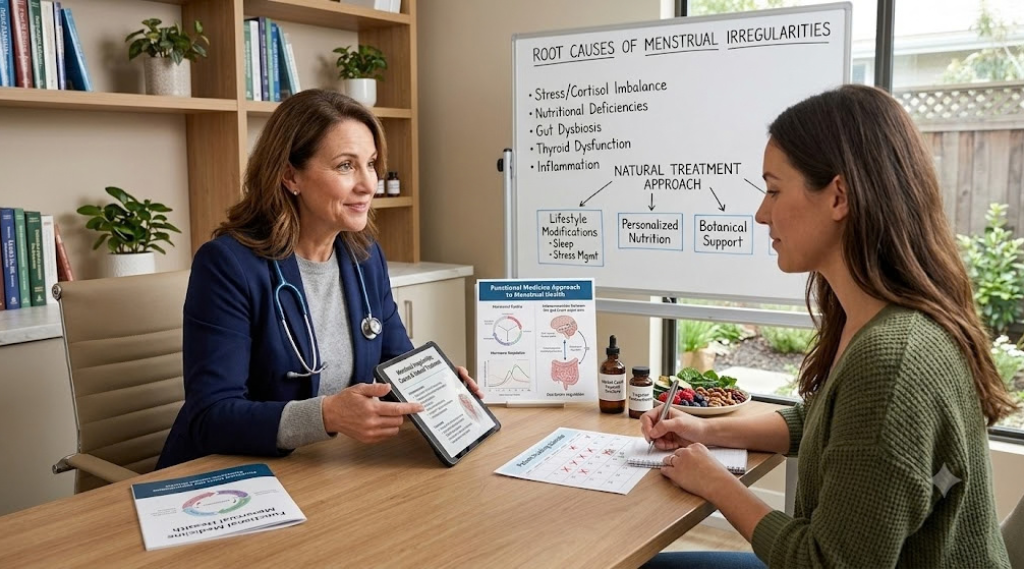
Hormonal treatment is not one-size-fits-all.
Depending on the underlying condition, healthcare providers may consider different approaches.
Combined hormonal contraceptives contain estrogen and progestin.
They may help make periods more predictable and reduce menstrual bleeding in appropriate patients.
They may also be used to manage menstrual abnormalities associated with PCOS.
Progestin-based treatment may be used in certain situations to manage abnormal uterine bleeding or provide endometrial protection.
The appropriate regimen depends on the underlying cause and individual health factors.
Progestin-only pills, hormonal intrauterine devices, injections, and other hormonal methods may be appropriate for some individuals.
Some of these methods can significantly reduce menstrual bleeding and may eventually stop bleeding altogether.
For individuals experiencing menopause-related symptoms, hormone therapy may help manage symptoms such as hot flashes, night sweats, vaginal symptoms, and some menstrual changes during the transition.
For people with a uterus who use systemic HRT for menopause symptoms, guidelines generally recommend combining estrogen and progestogen rather than estrogen alone.

Hormone therapy is only one potential component of managing irregular menstrual cycles.
Depending on the underlying cause, lifestyle factors may also be important.
A nutrient-dense diet can support overall hormonal and metabolic health.
A balanced eating pattern may include:
Nutritional needs should be individualized, particularly when heavy menstrual bleeding or nutritional deficiencies are present.
Metabolic health can be particularly relevant for people with PCOS or insulin resistance.
Appropriate nutrition, physical activity, sleep, and medical management can support overall metabolic health.
Stress-management practices may include:
Reducing chronic stress may support overall well-being and healthy reproductive function.
Consistent, adequate sleep supports overall metabolic and hormonal health.
Helpful habits may include maintaining a regular sleep schedule, limiting excessive screen exposure before bed, and creating a relaxing nighttime routine.
Regular physical activity can support cardiovascular and metabolic health.
However, excessive exercise combined with inadequate nutrition may contribute to menstrual disturbances in some individuals.
When appropriately prescribed, hormonal treatment may provide meaningful symptom relief.
More Predictable Bleeding
Some hormonal methods can make menstrual bleeding more predictable.
Reduced Heavy Bleeding
Certain hormonal treatments can reduce menstrual blood loss.
Management of Hormone-Related Symptoms
Menopause-related hormone therapy may help manage symptoms such as hot flashes and night sweats.
Endometrial Protection
In selected individuals who do not ovulate regularly, progestin may be used to help protect the uterine lining.
Individualized Treatment
Hormonal therapy can be selected based on symptoms, diagnosis, reproductive goals, age, and individual risk factors.
However, hormone therapy does not automatically correct the underlying reason for every irregular menstrual cycle.
Hormonal treatment can have potential side effects and risks.
Depending on the treatment, people may experience:
Systemic hormone therapy is not appropriate for everyone. Certain medical histories—including some cancers, stroke, heart attack, blood clots, and liver disease—may make hormone therapy unsuitable or require specialist assessment.
For menopause-related HRT, benefits and risks should be reviewed based on individual circumstances and risk factors. NICE recommends individualized discussion of factors such as the type of HRT, route, dose, duration, and personal risk profile.
Unscheduled bleeding can also occur after starting systemic HRT. Persistent or unexplained bleeding should be medically evaluated rather than automatically attributed to the medication.
Hormone-based treatment may be considered if you:
However, hormone therapy may not be the right option if your irregular periods are caused by an untreated thyroid condition, pregnancy, structural uterine problem, certain medications, nutritional factors, or another underlying condition.
A thorough evaluation should come before treatment decisions.
You should seek medical evaluation if:
Very heavy bleeding that soaks through a pad or tampon approximately every hour, particularly when accompanied by dizziness, shortness of breath, or other concerning symptoms, may require urgent medical attention.
An irregular menstrual cycle is a symptom, not a diagnosis.
Hormonal changes can play an important role, but irregular periods can also result from PCOS, thyroid disorders, pregnancy, stress, changes in weight, excessive exercise, structural conditions, and other health concerns.
Hormone-based treatment can be useful for certain conditions and may help regulate bleeding or manage hormone-related symptoms. However, the appropriate treatment depends on the underlying cause and the individual’s health history, reproductive goals, and risk factors.
A personalized evaluation can help determine whether hormone therapy, lifestyle changes, another medical treatment, or a combination of approaches is most appropriate.
If your menstrual cycle has become unpredictable, unusually heavy, or significantly different from your normal pattern, consider speaking with a qualified healthcare professional to understand the underlying cause and explore appropriate treatment options.
Hormonal treatment can help manage irregular or heavy bleeding in certain conditions, but it is not appropriate for every cause of irregular periods. Treatment depends on the underlying diagnosis.
Common causes include PCOS, thyroid disorders, problems with ovulation, pregnancy, significant changes in weight, excessive exercise, stress, perimenopause, medications, and structural conditions such as fibroids or polyps.
No. Hormone replacement therapy and hormonal contraception have different purposes, although some hormonal contraceptives can also be used to manage irregular or heavy menstrual bleeding.
Hormone therapy may make bleeding lighter or more predictable in some people during perimenopause, but the effect depends on the type of therapy and individual circumstances.
Hormonal contraceptives are an established treatment option for menstrual abnormalities associated with PCOS. Other treatments may also be appropriate depending on metabolic health, symptoms, and reproductive goals.
Depending on symptoms, evaluation may include a pregnancy test, blood tests, thyroid testing, complete blood count, iron studies, and sometimes pelvic imaging or other investigations.
Possible side effects can include spotting or bleeding, breast tenderness, headaches, and bloating. Risks vary by treatment and individual health history.
Yes. Hormone therapy can be an option for appropriate people experiencing menopause-associated symptoms during perimenopause. The choice should be individualized based on symptoms, age, health history, and risk factors.
Not always. Hormonal treatment may manage bleeding or symptoms without correcting the underlying condition. Identifying the cause of the irregular cycle is therefore an important part of treatment.
Speak with a healthcare professional if your previously regular periods become irregular, periods are more than 90 days apart, bleeding lasts longer than 7 days, bleeding is unusually heavy, or you experience significant pain, dizziness, or other concerning symptoms.