Does Cupping Therapy Improve Blood Circulation? Science, Benefits & What to Know
Whether you’re dealing with muscle soreness after exercise, chronic back pain, or persistent tension in your neck and shoulders, you’ve probably heard claims that cupping therapy improves blood circulation. But is there scientific evidence behind this popular treatment, or is it simply a wellness trend?
Cupping therapy has been practiced for thousands of years across different cultures and continues to be used today as a complementary therapy for pain management, recovery, and relaxation. One of its most commonly discussed benefits is its potential effect on blood flow.
Does cupping therapy improve blood circulation?
Cupping therapy may temporarily increase blood flow to the treated area by creating gentle suction on the skin. This increased circulation may help deliver oxygen and nutrients to nearby tissues while supporting the body’s natural healing response. Although many studies report improvements in pain, muscle tension, and mobility, more high-quality research is needed to fully understand how these circulation changes contribute to long-term health outcomes.
What Is Cupping Therapy?
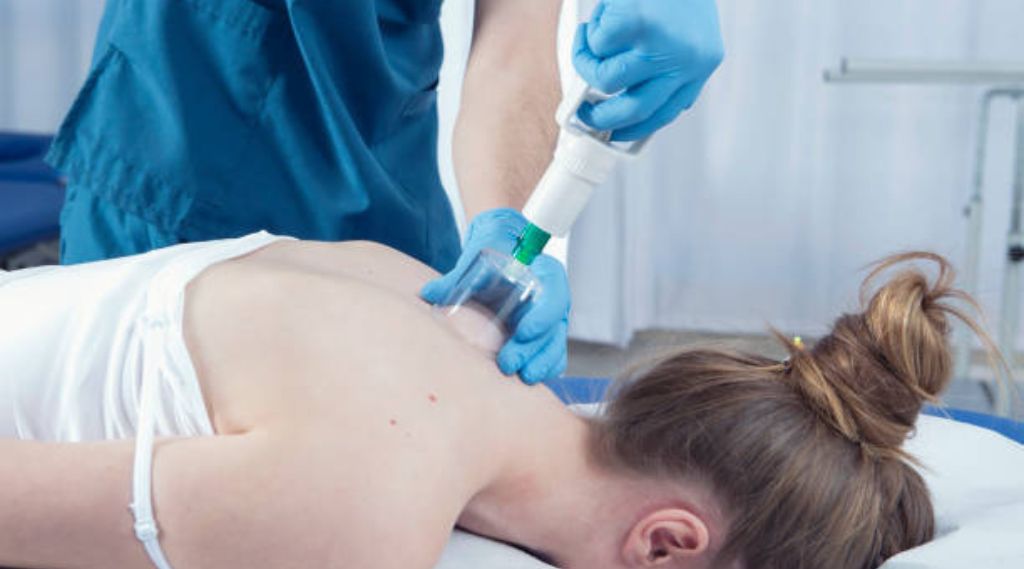
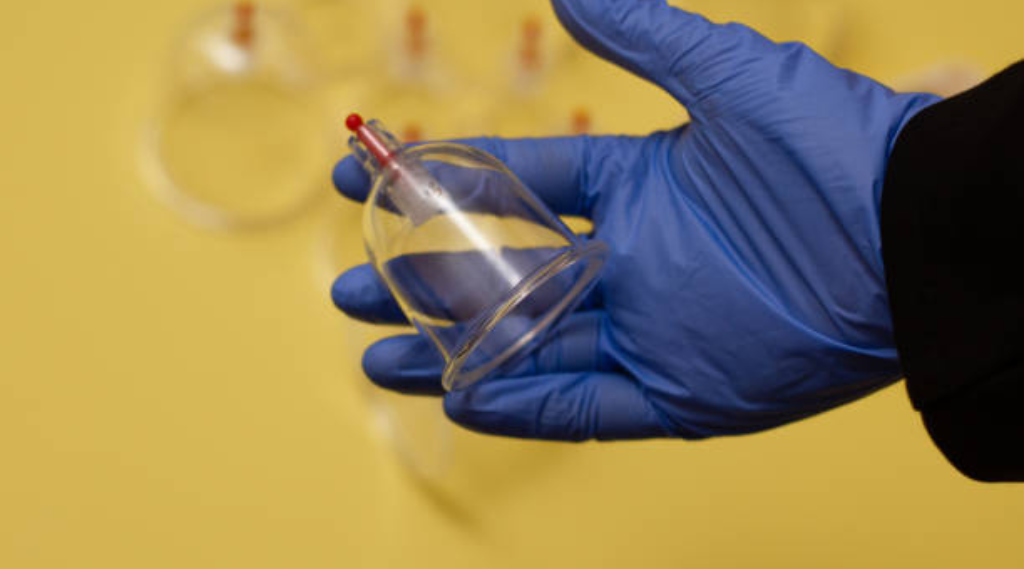
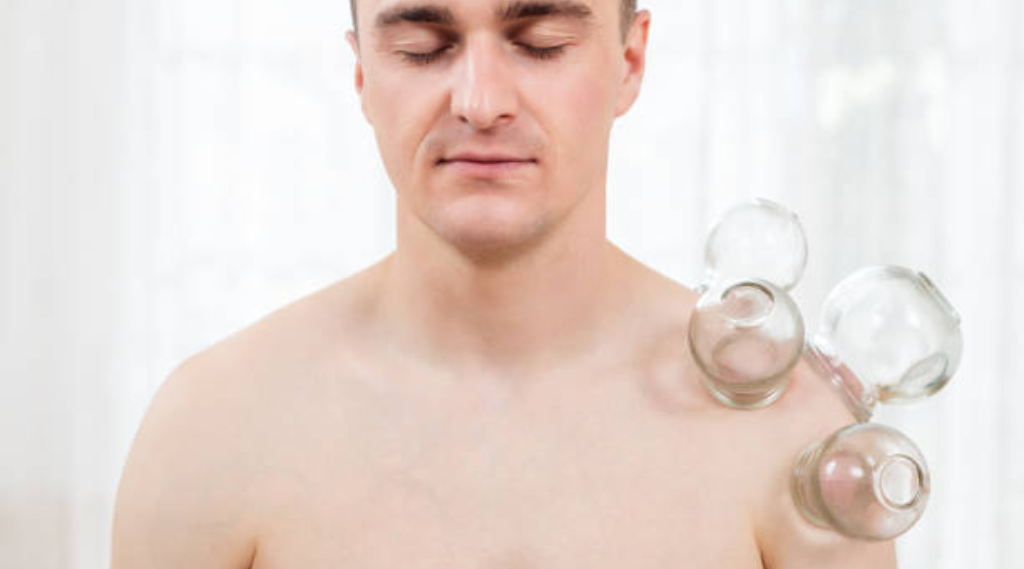
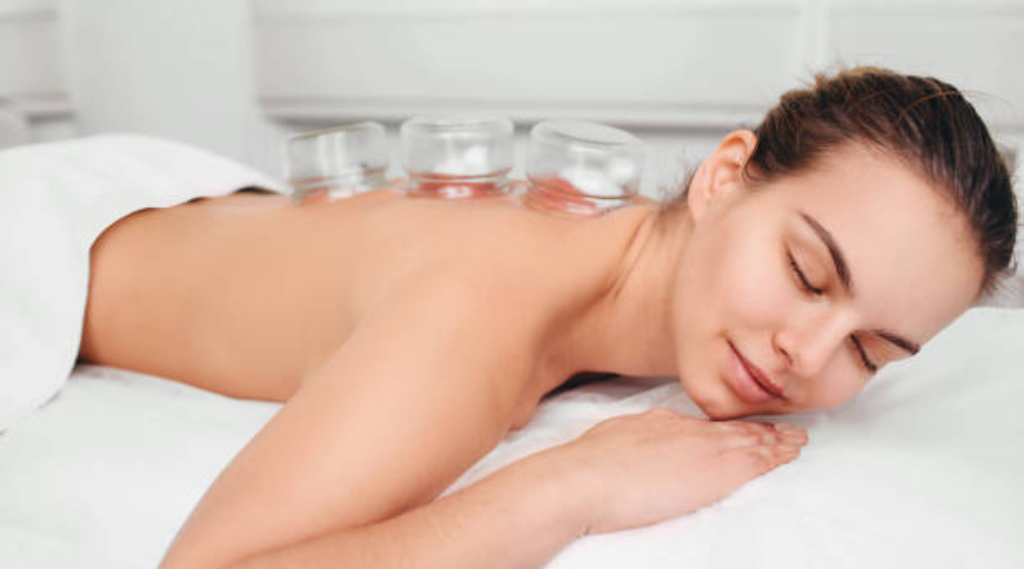
Cupping therapy is a technique that uses specially designed cups placed on the skin to create suction. The negative pressure gently lifts the skin and underlying tissues instead of applying downward pressure like traditional massage.
Modern cupping may use:
Silicone cups
Plastic pump cups
Glass cups
Traditional fire cups (used by trained practitioners)
Depending on your treatment goals, the cups may remain stationary or be gently moved across the skin, a technique often called dynamic or gliding cupping.
How Does Cupping Therapy Affect Blood Circulation?
One of the primary physiological effects of cupping therapy is the temporary increase in local blood circulation beneath the treated area.
When suction is applied:
Small blood vessels near the skin expand.
Blood flow to the area temporarily increases.
The body’s normal healing response is activated.
Surrounding muscles may begin to relax.
Think of it as temporarily increasing traffic through a specific neighborhood rather than increasing circulation throughout your entire body.
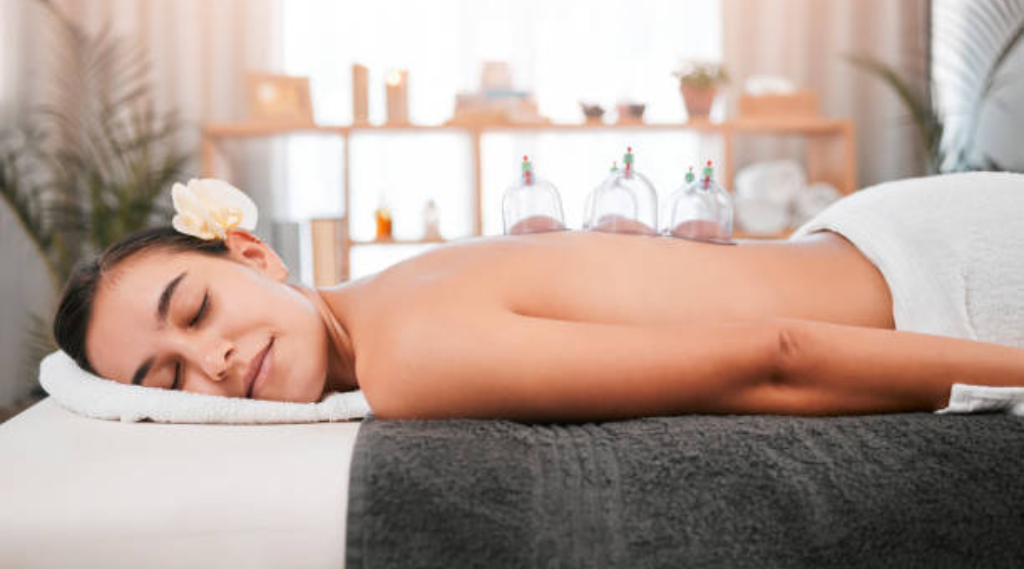
This localized response is why many people notice warmth, redness, or circular marks after treatment.
Why Is Healthy Blood Circulation Important?
Good circulation plays an essential role in maintaining healthy muscles, connective tissues, and overall body function.
When muscles become tight or overworked, improving local circulation may help support the body’s natural recovery processes.
What Does the Research Say?
Research suggests cupping therapy can temporarily increase blood flow in the treated area. Scientists believe this change in microcirculation may contribute to some of the benefits people report after treatment.
Several studies have found that cupping therapy may help:
Reduce musculoskeletal pain
Improve range of motion
Decrease muscle stiffness
Support short-term recovery after physical activity
Researchers have proposed several possible mechanisms, including:
Increased local circulation
Changes in nervous system activity
Reduced muscle tension
Activation of the body’s natural pain-modulating pathways
However, while these findings are encouraging, experts emphasize that more high-quality clinical studies are needed to determine exactly how cupping therapy works and which patients are most likely to benefit.
Does Better Blood Flow Mean Faster Healing?
Not necessarily.
This is one of the biggest misconceptions surrounding cupping therapy.
Although increased circulation may support the body’s normal healing processes, improved blood flow alone does not guarantee faster healing.
Recovery depends on many factors, including:
The type of injury
Overall health
Nutrition
Sleep quality
Physical activity
Underlying medical conditions
Rather than viewing cupping as a cure, it’s more accurate to consider it one component of a comprehensive recovery or wellness plan.
How Cupping Therapy May Support Muscle Recovery
Many athletes and physically active individuals use cupping therapy after intense training sessions.
Potential benefits include:
Reduced muscle tightness
Temporary improvement in flexibility
Improved comfort during recovery
Relief from delayed-onset muscle soreness (DOMS)
Increased relaxation following exercise
This may explain why cupping is commonly incorporated into sports recovery programs alongside stretching, rehabilitation exercises, and manual therapy.
Can Cupping Improve Circulation for Chronic Pain?
People with chronic neck pain, shoulder tension, lower back pain, and myofascial pain often seek cupping therapy as part of a broader pain management plan.
By helping relax tight muscles and temporarily improving circulation to affected tissues, cupping may contribute to:
Reduced muscle stiffness
Improved mobility
Less discomfort during movement
Greater overall relaxation
However, chronic pain often has multiple contributing factors, so treatment should be individualized based on the underlying cause.
What Causes the Circular Marks After Cupping?
One of the most recognizable effects of cupping therapy is the appearance of circular marks on the skin.
These marks are not bruises caused by tissue damage.
Instead, they occur because the suction temporarily draws blood toward the surface of the skin and causes tiny superficial blood vessels (capillaries) to respond to the negative pressure.
The marks usually:
Vary in color
Fade within several days to two weeks
Are generally painless or only mildly tender
The color of the marks does not reliably indicate toxin release or the severity of an underlying condition.
Who May Benefit From Cupping Therapy?
Cupping therapy may be considered for people experiencing:
Your healthcare provider can help determine whether cupping is appropriate based on your symptoms and medical history.
Who Should Avoid Cupping Therapy?
Although cupping is generally considered safe when performed by a trained professional, it may not be appropriate for everyone.
Treatment may not be recommended for people with:
Certain bleeding disorders
Active skin infections
Open wounds
Severe burns
Blood clotting disorders
Certain vascular conditions
Always discuss your medical history with your healthcare provider before beginning treatment.
What to Expect During a Cupping Therapy Session
A typical appointment includes:
Your provider evaluates your symptoms, medical history, and treatment goals.
Specialized cups are placed over targeted muscles.
The cups create negative pressure that remains in place for approximately 5–15 minutes or may be moved gently across the skin.
Mild redness or circular marks are expected and usually resolve naturally over time.
Is Cupping Therapy Right for You?
If you’re experiencing persistent muscle tightness, soreness after exercise, or chronic musculoskeletal discomfort, cupping therapy may be worth discussing with your healthcare provider.
Rather than replacing conventional medical care, cupping is often used alongside treatments such as rehabilitation, stretching, massage therapy, acupuncture, or other evidence-based approaches to help improve comfort and support recovery.
A personalized treatment plan can help determine whether cupping therapy aligns with your individual health goals and symptoms.
FAQs
Yes. Cupping therapy may temporarily increase blood flow to the treated area, which may support muscle recovery and the body's natural healing response.
Healthy circulation helps deliver oxygen and nutrients to muscles. While this may support recovery, healing also depends on factors such as nutrition, sleep, exercise, and overall health.
Not exactly. The circular marks result from temporary changes in superficial blood vessels caused by suction and usually fade within one to two weeks.
The duration varies depending on the individual, the condition being treated, and whether cupping is combined with other therapies.
Some people report improvements in muscle pain, stiffness, and mobility after cupping therapy. Results vary, and it is often used as part of a comprehensive treatment plan.
Most people describe the sensation as tight pressure or gentle pulling rather than pain.
Treatment frequency depends on your symptoms, goals, and your healthcare provider's recommendations.
Many athletes incorporate cupping into their recovery routines to help manage muscle soreness and improve flexibility alongside other recovery strategies.
People with certain bleeding disorders, active skin infections, open wounds, or specific medical conditions should consult their healthcare provider before treatment.
No. Cupping therapy is generally considered a complementary therapy and is often most effective when incorporated into a broader, evidence-based treatment plan.
The information provided on this blog and website is for informational and educational purposes only and is not intended as a substitute for professional medical advice, diagnosis, or treatment. Always seek the guidance of your physician or another qualified health provider with any questions you may have regarding a medical condition, diagnosis, or treatment plan. Do not disregard or delay professional medical advice because of information you have read on this website.
The content presented may include discussions of wellness therapies, dietary supplements, compounded medications, functional medicine services, and other integrative or alternative treatments that are not evaluated or approved by the U.S. Food and Drug Administration (FDA). These services and products are not intended to diagnose, treat, cure, or prevent any disease.
The content is provided “as is,“ without warranties of any kind, either express or implied. While we strive to ensure accuracy, we make no guarantees regarding the completeness, timeliness, or accuracy of the information presented. The website and its authors disclaim any liability for errors, omissions, or outcomes related to the use of the information provided.
Reference to any specific tests, products, procedures, healthcare professionals, or opinions is not an endorsement or recommendation unless explicitly stated. Links to external websites are provided for convenience and do not constitute an endorsement or guarantee of the content contained therein.
Your use of this website constitutes your acceptance of this disclaimer and any future modifications. If you do not agree, please do not use the site.
This disclaimer shall be governed by and construed in accordance with the laws of the State of Florida, without regard to conflict of law principles
Dr. Koffler is a Physiatrist, specializing in Physical Medicine & Rehabilitation.
Graduated from the Sackler School of Medicine at Tel Aviv University in 1993 Dr. Koffler completed a one-year internship in internal medicine at Roosevelt Hospital in New York City.
Residency in Physical Medicine and Rehabilitation at the Rusk Institute at NYU Medical Center in New York City. Board certified in 1998.
Trained in acupuncture at Helms Medical Institute at UCLA His medical practice incorporates proven conventional western medicine integrating eastern alternative practices.
Medical Director of several medical clinics in NYC, Stamford CT, and Miami Beach, FL.