Subtotal $0.00

Feel Free To Contact Us at
- Phone:(888)-896-5577
- Email:dr.koffler@hmwcenter.com
Subscribe to our Newsletter and get the latest updates in the field of Holistic Medicine
Functional medicine is a personalized, patient-centered approach to healthcare that seeks to identify and address the underlying factors contributing to illness rather than simply managing symptoms. By considering genetics, lifestyle, nutrition, environment, stress, sleep, and the interconnected systems of the body, functional medicine aims to support long-term health while working alongside conventional medical care—not replacing it.

If you’ve ever left a healthcare appointment with your symptoms addressed but unanswered questions about why you feel unwell, you’re not alone.
Many people explore functional medicine because they want to understand the underlying factors behind ongoing concerns like fatigue, digestive issues, hormonal changes, inflammation, or recurring symptoms.
Functional medicine takes a whole-person approach by looking beyond symptoms and exploring how factors like nutrition, sleep, stress, lifestyle, genetics, and body systems interact to influence health.
Rather than asking only, “What condition do you have?” functional medicine also asks, “What may be contributing to this health concern?”
Functional medicine does not replace conventional medicine. Instead, it complements evidence-based healthcare by adding a personalized approach focused on understanding each individual’s unique health needs.
This guide explains the core principles of functional medicine, how it differs from conventional care, and what to expect from a functional medicine approach.
This guide is designed for anyone who wants to better understand what functional medicine is before deciding whether it’s the right approach for their healthcare needs.
Perhaps you’ve heard about functional medicine through:
You may be exploring functional medicine because you’re looking for support with:
Or perhaps you’re simply curious about why functional medicine has become an increasingly discussed approach to personalized healthcare.
Whatever brought you here, learning how different healthcare approaches work is an important first step toward making informed decisions about your health.

At its core, functional medicine is a patient-centered approach to healthcare that seeks to understand and address the factors contributing to illness while supporting the body’s normal physiological function.
Rather than viewing the body as a collection of separate organs or isolated systems, functional medicine recognizes that every system influences the others.
For example:
Digestive health may influence immune function.
Poor sleep may affect hormone balance.
Chronic stress can impact metabolism, inflammation, cardiovascular health, and mental well-being.
Nutrition may influence everything from energy production to brain function.
Because these systems constantly communicate with one another, symptoms in one area of the body may actually be connected to imbalances elsewhere.
Instead of focusing only on symptom relief, functional medicine encourages healthcare providers to ask broader questions, including:
This doesn’t mean every symptom has a single “root cause.”
Many chronic conditions develop through a combination of genetics, lifestyle, environmental influences, aging, and medical history. Functional medicine seeks to understand those contributing factors so treatment plans can be tailored to each individual rather than relying on a one-size-fits-all approach.
Most importantly, functional medicine is grounded in the idea that patients should be active participants in their healthcare.
Education, collaboration, and personalized care are central to helping individuals make sustainable lifestyle changes that support long-term wellness.
Many patients come after years of managing symptoms without fully understanding why those symptoms continue to return.
Some have already worked with multiple specialists. Others have tried different diets, supplements, or wellness programs on their own. While many have received appropriate medical care, they often feel they’re missing a broader understanding of how different aspects of their health may be connected.
Providers approach begins by listening.
Rather than focusing on a single symptom or diagnosis, we take time to understand each patient’s complete health story—including medical history, lifestyle, nutrition, sleep patterns, stress levels, current medications, family history, and long-term health goals.
This comprehensive perspective helps us develop individualized care plans that integrate evidence-based medicine with personalized strategies designed to support overall health—not simply manage isolated symptoms.

While functional medicine can look different depending on the provider and patient’s needs, the approach is built around several consistent principles.
At the center of functional medicine is the belief that healthcare should focus on understanding the individual—not just the illness.
Every person has a unique combination of genetics, environment, lifestyle habits, medical history, and personal experiences that influence how their body functions.
Because of this, two people with the same diagnosis may not always benefit from the exact same approach.
Functional medicine uses a systems-based framework to better understand these differences and create more personalized strategies for improving health.
One of the most recognized principles of functional medicine is its focus on identifying possible underlying contributors to health concerns.
Traditional symptom-based care often begins with:
"What condition is causing this symptom, and what treatment addresses it?"
Functional medicine expands that question:
"What factors may be contributing to why this symptom developed?"
For example, someone experiencing ongoing fatigue may have many possible contributing factors, including:
The goal is not to ignore symptoms.
Symptoms matter.
They provide important information about what may be happening inside the body.
Functional medicine simply attempts to understand the bigger picture by examining the biological, environmental, and lifestyle factors that may influence health.
A major difference between functional medicine and a strictly organ-focused approach is the way the body is viewed.
The human body does not operate as separate systems working independently.
Everything is connected.
The digestive system interacts with immune function.
Hormones influence metabolism, energy, mood, and sleep.
Stress can affect inflammation, digestion, and cardiovascular health.
Nutrition impacts cellular function and energy production.
Because these relationships are complex, functional medicine often looks at patterns rather than isolated problems.
This approach is sometimes called a systems biology perspective.
Instead of asking only:
"Which organ is affected?"
The focus becomes:
"How are different systems communicating with each other?"
Understanding these connections may help providers develop care plans that address multiple aspects of health at the same time.
One of the core ideas behind functional medicine is that healthcare should be personalized.
People respond differently to the same treatments, foods, lifestyle changes, and environmental influences.
Factors that can influence an individual's health include:
For example, two people may both experience digestive discomfort but have very different contributing factors.
One person may benefit from addressing nutrition patterns.
Another may need evaluation for stress-related factors, medication effects, or other health concerns.
Rather than applying the same solution to everyone, functional medicine aims to understand the individual factors that shape each person's health.
Personalization is not about finding a "perfect" treatment.
It is about creating a more thoughtful and informed approach.
Functional medicine recognizes that physical and emotional health are deeply connected.
Stress, emotions, sleep, and mental well-being can influence physical processes throughout the body.
Long-term stress, for example, may affect:
This does not mean symptoms are "just stress."
Physical symptoms are real and deserve proper medical evaluation.
Instead, functional medicine acknowledges that emotional health and physical health often influence one another.
Supporting one area may positively impact another.
Another important principle of functional medicine is prevention.
Traditional healthcare often focuses on identifying and treating illness after symptoms appear.
Functional medicine also emphasizes maintaining health before problems become more serious.
This may involve:
Prevention does not mean avoiding all illness.
Many health conditions are influenced by factors outside an individual's control.
However, proactive care can help people better understand their health and make informed choices.
Functional medicine places strong emphasis on collaboration.
Rather than patients being passive recipients of care, they become active participants in the process.
This partnership may include:
Education is an important part of this process.
When patients understand why recommendations are being made, they are often better equipped to make sustainable changes.
A strong provider-patient relationship creates space for questions, discussion, and shared decision-making.
Functional medicine and conventional medicine both aim to improve patient health, but they often approach healthcare from different perspectives.
The difference is not that one is “right” and the other is “wrong.”
They often address different aspects of healthcare.
Conventional medicine is especially valuable for:
Functional medicine often focuses on:
The most effective healthcare approach often combines the strengths of both.

Conventional Medicine | Functional Medicine | |
Primary focus | Diagnosis and treatment of disease | Understanding contributing factors and supporting function |
View of the body | Often organized around specific organs or conditions | Views the body as interconnected systems |
Main question | “What disease is present?” | “Why may this be happening?” |
Treatment approach | Medications, procedures, disease management | Personalized plans, lifestyle strategies, and appropriate medical care |
Patient role | Receives medical treatment | Active partner in healthcare decisions |
Best suited for | Emergencies, acute conditions, specific diseases | Complex, chronic, and multifactorial concerns |
There is sometimes a misconception that choosing functional medicine means rejecting traditional healthcare.
That is not the goal.
A responsible functional medicine approach respects evidence-based medicine and recognizes the importance of conventional treatments.
For example:
A patient may need medication to manage a medical condition while also exploring nutrition, sleep, stress management, or lifestyle factors that may support overall wellness.
Another patient may need surgery, specialized treatment, or emergency care while using functional strategies during recovery.
Healthcare works best when the approach matches the individual’s needs.
The goal is not to choose between two systems.
The goal is to provide thoughtful, personalized care.

One of the biggest differences patients notice when exploring functional medicine is the amount of time spent understanding their complete health story.
A typical healthcare appointment may focus on a specific symptom, diagnosis, or immediate concern.
A functional medicine consultation often takes a broader approach.
Instead of only asking:
“What symptoms are you experiencing today?”
A functional medicine provider may also ask:
The purpose is to gather a complete picture that helps guide personalized care.
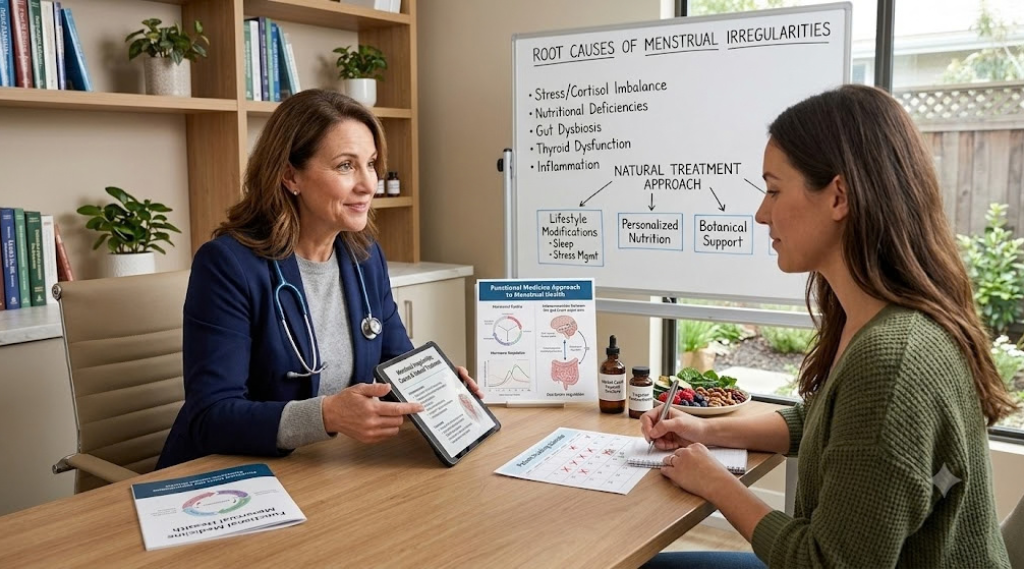
The first step in functional medicine is usually a detailed conversation about your health history.
This may include:
Current Symptoms
Your provider may discuss:
Medical Background
Your provider may review:
Lifestyle Factors
Functional medicine often considers everyday factors that influence health, such as:
This information helps providers understand possible connections between different aspects of your health.
After gathering your health history, functional medicine providers look at how different systems may interact.
This may involve evaluating areas such as:
Digestive Health
The digestive system plays an important role in overall wellness.
Factors related to digestion may influence:
Hormone Balance
Hormones act as important communication signals throughout the body.
Changes in hormone function may affect:
Metabolic Health
Metabolism influences how the body produces and uses energy.
Providers may consider factors related to:
Stress and Lifestyle Factors
Stress, sleep, and daily habits can affect many areas of health.
Understanding these influences helps create a more complete care plan.
Functional medicine may include laboratory testing or other assessments when appropriate.
Testing is not meant to replace standard medical evaluation.
Instead, it can provide additional information that helps providers understand an individual's health status.
Depending on the situation, testing may look at areas such as:
The goal is not to order every possible test.
Responsible functional medicine focuses on using appropriate testing based on the patient's symptoms, history, and health goals.
Evidence-based evaluation remains the foundation of good care.
After reviewing health history and available information, the next step is developing a personalized plan.
Unlike a one-size-fits-all approach, functional medicine recommendations are designed around the individual's needs.
A plan may include:
Nutrition Support
This may involve:
Lifestyle Changes
Small, sustainable adjustments may focus on:
Medical Treatments When Appropriate
Functional medicine does not exclude conventional treatments.
Medications, therapies, or other medical interventions may be included when clinically appropriate.
The goal is to create a complete healthcare strategy that supports the patient's overall well-being.
Health is not static.
Bodies change over time, and treatment plans may need to evolve.
Follow-up visits allow providers to:
This ongoing relationship helps ensure care remains personalized and aligned with the patient's goals.
Some peptide therapies affect hormone signaling or glucose metabolism. Patients with diabetes, endocrine disorders, or metabolic conditions may require additional monitoring throughout treatment.
complex than a single symptom or diagnosis.
It may be considered as part of a broader healthcare approach for concerns such as:
However, functional medicine is not a replacement for necessary medical care.
A responsible provider will recognize when conventional evaluation, medication, specialist care, or urgent treatment is needed.
The purpose of functional medicine is not to promise that every condition has a simple solution.
Instead, it aims to better understand the factors influencing health and support patients through personalized, evidence-informed care.
Functional medicine may appeal to people who:
It may be especially valuable for individuals who feel they need more time and education during healthcare conversations.
A longer appointment allows space for questions, discussion, and a deeper understanding of personal health goals.
While functional medicine can be valuable, choosing the right provider is important.
Patients should be cautious of anyone who:
A trustworthy functional medicine provider should combine personalized care with scientific responsibility.
Good healthcare involves knowing both what an approach can do and where its limitations are.

If you are considering functional medicine, look for a provider who:
Has Appropriate Credentials
Choose a healthcare professional with proper medical training and experience.
Uses Evidence-Based Care
A strong provider should:
Works Alongside Conventional Healthcare
The best care often involves collaboration.
A qualified provider should respect:
Focuses on Your Individual Needs
Your healthcare plan should be based on:
At Holistic Medical Wellness, we believe healthcare should begin with understanding.
Many patients are not simply looking for another treatment—they want to understand their bodies better.
They want answers to questions like:
“Why am I feeling this way?”
“What factors may be affecting my health?”
“What changes could support my long-term wellness?”
Our approach focuses on listening carefully, evaluating the full picture, and creating individualized care strategies.
Functional medicine is not about replacing conventional medicine.
It is about expanding the conversation around health.
By combining evidence-based medical knowledge with a personalized approach, we help patients make informed decisions that align with their unique wellness goals.
If you are considering functional medicine, the first step is not choosing a treatment plan.
It is understanding your health story.
Functional medicine is built around the idea that every person has a unique combination of genetics, lifestyle, environment, medical history, and personal goals that influence their overall well-being.
During a functional medicine consultation, your healthcare provider may help you explore questions such as:
A personalized approach can help you move away from generalized health advice and toward a plan created specifically for you.
However, functional medicine is not the right fit for every situation.
Emergency conditions, serious infections, urgent medical concerns, and many acute illnesses require appropriate conventional medical care.
The best healthcare decisions come from understanding all available options and choosing the approach that matches your needs.
Functional medicine is a personalized healthcare approach that focuses on understanding the possible factors contributing to health concerns. It looks at lifestyle, genetics, environment, and body systems while supporting overall health alongside conventional medical care.
Not necessarily.
Functional medicine is often considered a whole-person approach that combines evidence-based medical care with a deeper focus on lifestyle, prevention, and individual health factors.
A responsible functional medicine provider does not reject conventional medicine but works alongside it when appropriate.
A quality functional medicine approach should be based on scientific evidence, appropriate medical evaluation, and clinical judgment.
The quality of care depends greatly on the provider, so choosing a qualified healthcare professional who practices responsibly is important.
People often explore functional medicine for complex or ongoing concerns such as fatigue, digestive issues, metabolic concerns, hormone-related symptoms, stress-related health challenges, and overall wellness goals.
It should complement—not replace—necessary medical treatment.
A functional medicine visit often includes a detailed health history, discussion of lifestyle factors, review of symptoms, appropriate evaluation or testing when needed, and development of a personalized care plan.
Follow-up appointments help adjust recommendations over time.
No.
Functional medicine is not intended to replace necessary medical care.
It can work alongside conventional medicine by adding a broader perspective that considers lifestyle, prevention, and individual health factors.
Sometimes supplements may be recommended when appropriate, but functional medicine is not simply about taking supplements.
A comprehensive approach may include nutrition, sleep, exercise, stress management, medical treatments, and other personalized strategies.
Functional medicine emphasizes prevention and long-term wellness by supporting healthy lifestyle habits and identifying potential areas for improvement before problems become more significant.
Prevention strategies should always be based on individual health needs.
Functional medicine offers a whole-person approach that focuses on understanding the many factors that influence health.
Instead of looking only at symptoms, it considers the relationship between lifestyle, genetics, environment, and the body’s interconnected systems.
For many people, this approach provides a deeper understanding of their health and creates opportunities for more personalized care.
However, the most effective healthcare is not about choosing one approach over another.
Functional medicine and conventional medicine can work together to provide comprehensive, patient-centered care.
The foundation of responsible functional medicine is:
If you are interested in learning whether a functional medicine approach may support your health goals, a qualified provider can help you understand your options and create a plan aligned with your individual needs.
This article is intended for educational purposes only and should not be considered medical advice, diagnosis, or treatment.
Always consult a qualified healthcare professional before starting, stopping, or changing any medication, supplement, or treatment plan.
Individual results and recommendations may vary depending on your medical history, health conditions, and personal needs.