Acupuncture for TMJ Pain: Can It Reduce Jaw Tension and Improve Jaw Function?
Acupuncture for TMJ Pain: Can It Reduce Jaw Tension, Headaches, and Improve Jaw Function?
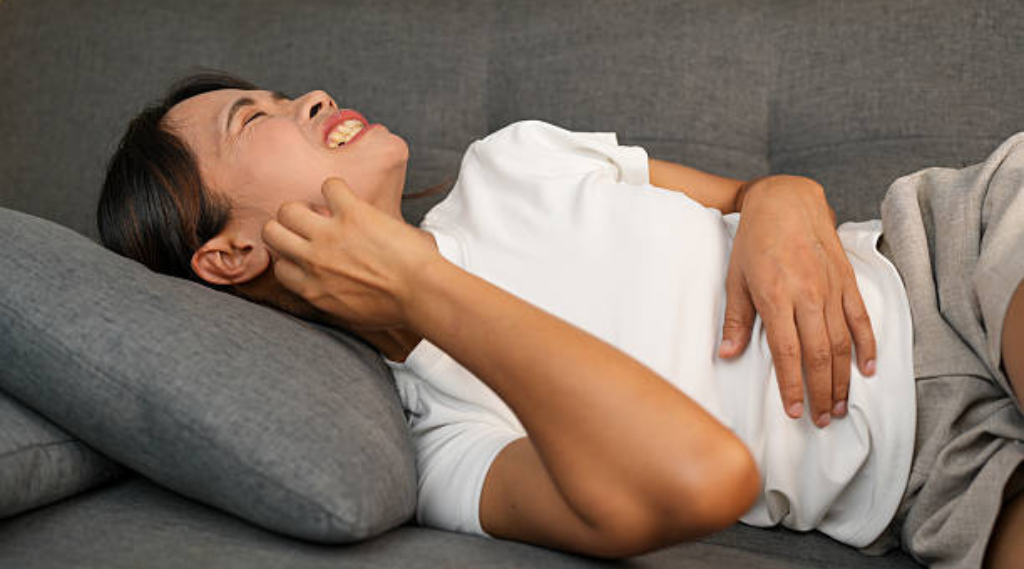
Jaw pain that makes it difficult to chew, speak, yawn, or even smile can significantly affect your quality of life. For many people, this discomfort is caused by temporomandibular joint (TMJ) disorders, often referred to as TMD. Along with jaw pain, people may experience headaches, facial tension, neck stiffness, jaw clicking, or even difficulty fully opening their mouth.
While medications, mouthguards, and physical therapy are commonly recommended, many people also explore acupuncture for TMJ pain as a complementary treatment. Acupuncture has been used for centuries to help manage pain and improve overall well-being, and modern research suggests it may provide relief for some people living with temporomandibular disorders.
Can acupuncture help TMJ pain?
Acupuncture may help reduce jaw pain, muscle tension, headaches, and limited jaw movement associated with temporomandibular disorders (TMD). While it is not considered a cure, research suggests acupuncture can be an effective part of a comprehensive treatment plan for some patients, especially when muscle tension, stress, or jaw clenching contribute to symptoms. Results vary depending on the underlying cause and severity of the condition.
What Is TMJ Pain?
The temporomandibular joints (TMJs) connect your lower jaw (mandible) to the skull, allowing you to talk, chew, yawn, and perform other everyday movements. These joints work together with muscles, ligaments, cartilage, and nerves to support smooth jaw function.
Although many people use the term TMJ to describe jaw pain, the medical condition is more accurately called temporomandibular disorder (TMD).
TMJ disorders can develop for many reasons, including:
Because several muscles in the face, neck, and shoulders work together, TMJ disorders often involve much more than the jaw alone.
Common Symptoms of TMJ Disorders
Symptoms can range from mild discomfort to chronic pain that interferes with daily activities.
Common symptoms include:
Jaw pain or tenderness
Clicking, popping, or grinding sounds when opening the mouth
Jaw stiffness
Difficulty chewing
Facial pain
Ear pain or a feeling of fullness in the ears
Frequent headaches
Neck and shoulder tension
Locking of the jaw
Pain when yawning
If these symptoms persist or worsen, it’s important to receive a proper evaluation to identify the underlying cause.
Can Acupuncture Help TMJ Pain?
Many people choose acupuncture because they want to reduce pain without relying solely on medication.
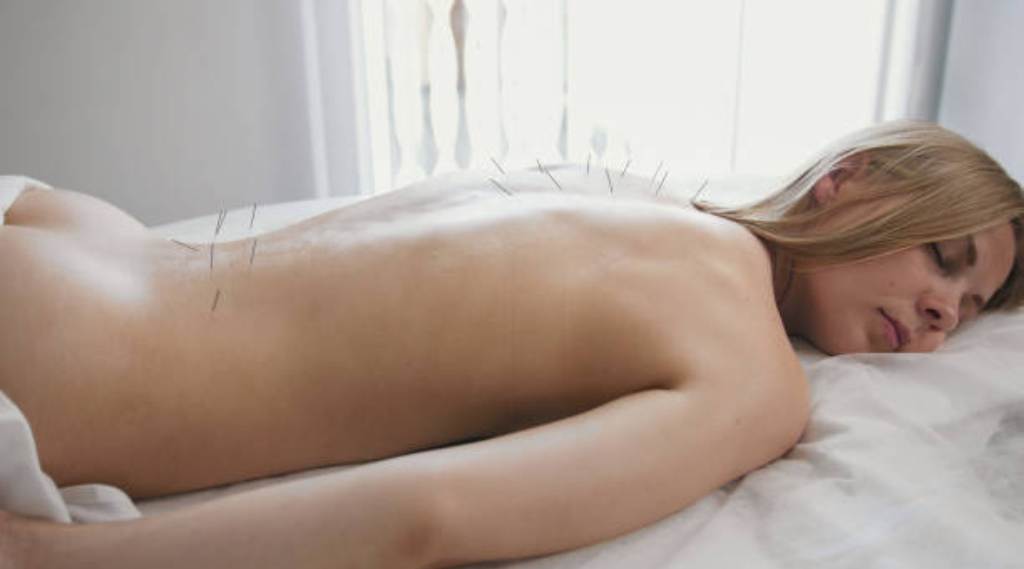
Acupuncture involves inserting very thin, sterile needles into specific points on the body. According to traditional Chinese medicine, these points help restore the body’s natural balance. Modern medical research suggests acupuncture may influence pain pathways, stimulate the nervous system, and encourage the release of natural pain-relieving chemicals such as endorphins.
For people with TMJ disorders, acupuncture may help:
Reduce jaw muscle tension
Decrease facial pain
Improve jaw mobility
Ease tension headaches associated with TMJ
Reduce neck and shoulder tightness
Promote relaxation when stress contributes to jaw clenching
It’s important to understand that acupuncture is generally considered part of a broader treatment strategy, rather than a standalone cure. Your healthcare provider may recommend combining acupuncture with other therapies depending on the cause of your symptoms.
How Acupuncture May Help Reduce Jaw Tension
TMJ pain is often linked to tight or overactive muscles around the jaw, temples, neck, and shoulders.
Many TMJ symptoms result from muscle tension rather than structural joint damage. Acupuncture may help relax these muscles, reducing pressure around the jaw joint.
Research suggests acupuncture may stimulate the release of endorphins and other neurotransmitters involved in pain regulation, potentially reducing discomfort.
Improved circulation may help deliver oxygen and nutrients to affected tissues while supporting the body's natural healing processes.
Stress is one of the most common triggers for jaw clenching and teeth grinding. Acupuncture sessions often promote relaxation, which may help reduce muscle tension associated with chronic stress.
What Does Research Say?
Research on acupuncture for temporomandibular disorders continues to grow. Several systematic reviews suggest that acupuncture may reduce pain and improve jaw function for some individuals with TMD, particularly when compared with no treatment or when used alongside conventional therapies.
However, researchers also note that study quality varies, and more large, well-designed clinical trials are needed. Because TMJ disorders have many possible causes, no single treatment works for everyone.
Current evidence suggests acupuncture may be most beneficial when included as part of a personalized treatment plan rather than used as the only therapy.
What Happens During an Acupuncture Appointment for TMJ?
If you’ve never had acupuncture before, it’s natural to wonder what the experience is like.
A typical appointment may include:
Your practitioner will review:
Your symptoms
Medical history
Pain location
Jaw movement
Lifestyle factors
Stress levels
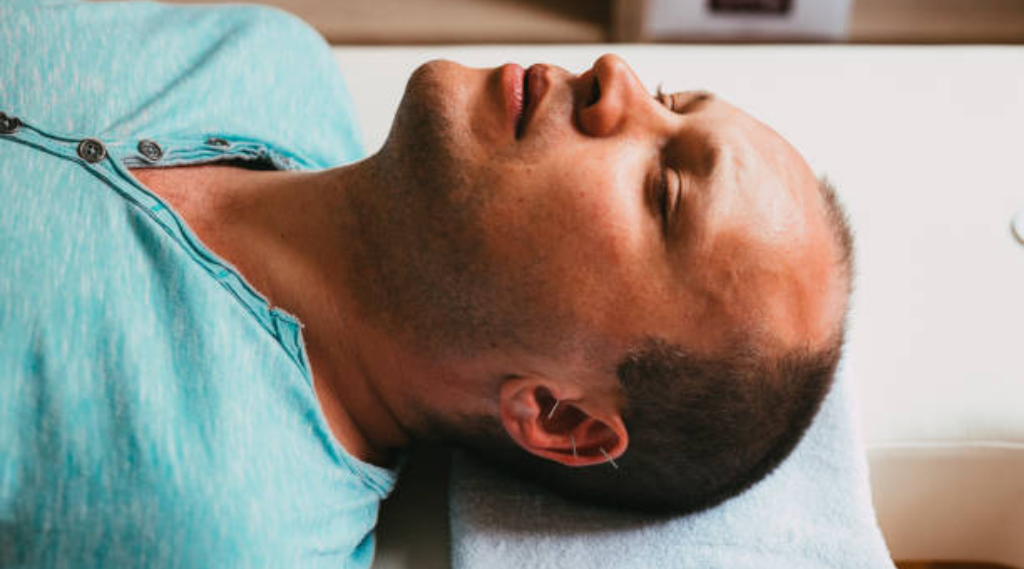
Very thin needles are placed in carefully selected points that may include areas around:
Jaw muscles
Temples
Face
Neck
Shoulders
Hands or legs, depending on the treatment approach
Most people report minimal discomfort during insertion.
The needles typically remain in place for approximately 20–30 minutes while you rest comfortably.
How Many Acupuncture Sessions Are Usually Needed?
The number of treatments depends on:
How long you’ve had TMJ symptoms
The severity of your pain
The underlying cause
Your response to treatment
Some people notice improvement after only a few sessions, while chronic cases may require multiple treatments over several weeks.
Your provider will develop a treatment plan based on your individual needs rather than using a one-size-fits-all schedule.
Perform gentle jaw exercises recommended by your healthcare provider.
Avoid clenching your jaw throughout the day.
Get adequate sleep.
These strategies may help complement professional care.
When Should You See a Healthcare Provider?
Seek medical evaluation if you experience:
Persistent jaw pain lasting several weeks
Difficulty opening or closing your mouth
Jaw locking
Frequent headaches related to jaw tension
Pain that interferes with eating or speaking
Swelling, trauma, or sudden changes in jaw function
Early evaluation can help identify the cause of your symptoms and guide appropriate treatment.
Can Acupuncture Be Part of Your TMJ Treatment Plan?
TMJ disorders can affect much more than your jaw they can interfere with eating, sleeping, speaking, and daily comfort. For some individuals, acupuncture may offer a non-drug option to help reduce jaw tension, improve mobility, and relieve associated headaches and muscle tightness.
Because TMJ disorders often involve multiple contributing factors, the most effective treatment plan is usually personalized. Depending on your needs, your healthcare provider may recommend combining acupuncture with physical therapy, stress management strategies, trigger point injections, or other evidence-based treatments.
If you’re experiencing persistent jaw pain or TMJ symptoms, speaking with a qualified healthcare professional can help determine whether acupuncture may be an appropriate part of your treatment plan.
FAQs
Yes. Research suggests acupuncture may help reduce jaw pain, muscle tension, and headaches in some people with temporomandibular disorders, although results vary from person to person.
The number of sessions depends on the severity and duration of your symptoms. Some people improve within a few treatments, while others may benefit from ongoing care.
Most people experience little to no pain. The needles used are very thin, and many patients describe the sensation as mild pressure or tingling.
Acupuncture may help reduce muscle tension associated with jaw clicking, but it may not eliminate clicking caused by structural joint changes.
It may. Some patients report fewer tension headaches after acupuncture, particularly when muscle tightness contributes to their symptoms.
Acupuncture may help reduce stress-related jaw clenching and muscle tension, but additional treatments such as a night guard may also be recommended.
Most appointments last between 30 and 60 minutes, including consultation and treatment time.
Not always. A mouthguard helps protect the teeth from grinding, while acupuncture addresses pain and muscle tension. Some patients benefit from both.
People with certain bleeding disorders, active infections near treatment areas, or specific medical conditions should discuss acupuncture with their healthcare provider before treatment.
You should seek professional evaluation if your jaw pain is persistent, worsens over time, causes locking, or significantly interferes with eating, speaking, or daily activities.
Ready for relief from TMJ pain?
Discover how acupuncture can ease your jaw tension and headaches.
The information provided on this blog and website is for informational and educational purposes only and is not intended as a substitute for professional medical advice, diagnosis, or treatment. Always seek the guidance of your physician or another qualified health provider with any questions you may have regarding a medical condition, diagnosis, or treatment plan. Do not disregard or delay professional medical advice because of information you have read on this website.
The content presented may include discussions of wellness therapies, dietary supplements, compounded medications, functional medicine services, and other integrative or alternative treatments that are not evaluated or approved by the U.S. Food and Drug Administration (FDA). These services and products are not intended to diagnose, treat, cure, or prevent any disease.
The content is provided “as is,“ without warranties of any kind, either express or implied. While we strive to ensure accuracy, we make no guarantees regarding the completeness, timeliness, or accuracy of the information presented. The website and its authors disclaim any liability for errors, omissions, or outcomes related to the use of the information provided.
Reference to any specific tests, products, procedures, healthcare professionals, or opinions is not an endorsement or recommendation unless explicitly stated. Links to external websites are provided for convenience and do not constitute an endorsement or guarantee of the content contained therein.
Your use of this website constitutes your acceptance of this disclaimer and any future modifications. If you do not agree, please do not use the site.
This disclaimer shall be governed by and construed in accordance with the laws of the State of Florida, without regard to conflict of law principles
Dr. Koffler is a Physiatrist, specializing in Physical Medicine & Rehabilitation.
Graduated from the Sackler School of Medicine at Tel Aviv University in 1993 Dr. Koffler completed a one-year internship in internal medicine at Roosevelt Hospital in New York City.
Residency in Physical Medicine and Rehabilitation at the Rusk Institute at NYU Medical Center in New York City. Board certified in 1998.
Trained in acupuncture at Helms Medical Institute at UCLA His medical practice incorporates proven conventional western medicine integrating eastern alternative practices.
Medical Director of several medical clinics in NYC, Stamford CT, and Miami Beach, FL.