Subtotal $0.00

Feel Free To Contact Us at
- Phone:(888)-896-5577
- Email:dr.koffler@hmwcenter.com

Subscribe to our Newsletter and get the latest updates in the field of Holistic Medicine
BPC-157 is a synthetic peptide that has attracted attention for its potential role in tissue repair and regenerative medicine. Laboratory and animal studies suggest it may influence biological processes involved in healing, but high-quality human clinical evidence remains limited. BPC-157 is not approved by the U.S. Food and Drug Administration (FDA) for treating injuries or other medical conditions, and its regulatory status continues to evolve. Anyone considering peptide therapy should do so only under the guidance of a qualified healthcare provider.
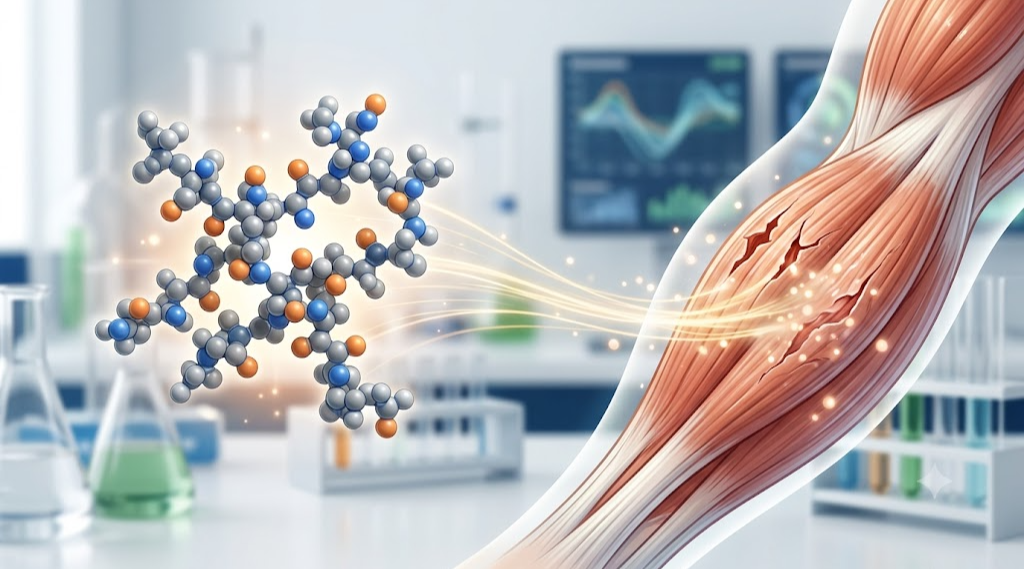
Recovering from an injury can be frustrating.
Whether it’s a lingering tendon injury, persistent muscle pain, a ligament strain, or slow healing after physical activity, many people begin searching for therapies that promise faster recovery.
In recent years, one peptide has received significant attention in these conversations:
Often referred to online as the “Body Protection Compound,” BPC-157 is frequently promoted as a breakthrough therapy capable of accelerating tissue repair, healing injuries, supporting gut health, and even improving recovery throughout the body.
Some websites describe it as a “miracle healing peptide.”
Others claim it can rapidly repair tendons, ligaments, muscles, bones, nerves, and digestive tissues.
These are impressive claims.
But an important question remains:
What does the scientific evidence actually show?
The answer is more complex than many online advertisements suggest.
Researchers have spent years studying how tissues heal and how peptides may influence biological processes involved in recovery. BPC-157 has become an area of interest because early laboratory and animal studies have shown encouraging findings related to tissue repair and inflammation.
However, promising preclinical research does not automatically mean a therapy has been proven safe or effective for people.
Although BPC-157 has generated excitement within regenerative medicine and sports recovery communities, robust human clinical research remains limited.
Understanding the difference between early scientific research and established medical evidence is essential before considering any peptide therapy.
This guide explains what BPC-157 is, how it works, what current research shows, its potential risks, FDA and legal considerations, and why medical supervision remains an important part of evidence-based care.
This guide is intended for anyone researching BPC-157 before making a healthcare decision.
Perhaps you’ve heard about BPC-157 through:
You may be wondering whether BPC-157 could help support recovery from:
Or perhaps you’re simply trying to understand whether the growing popularity of BPC-157 is supported by current medical evidence.
Whatever brings you here, learning the facts before starting any therapy is one of the best ways to make informed healthcare decisions.
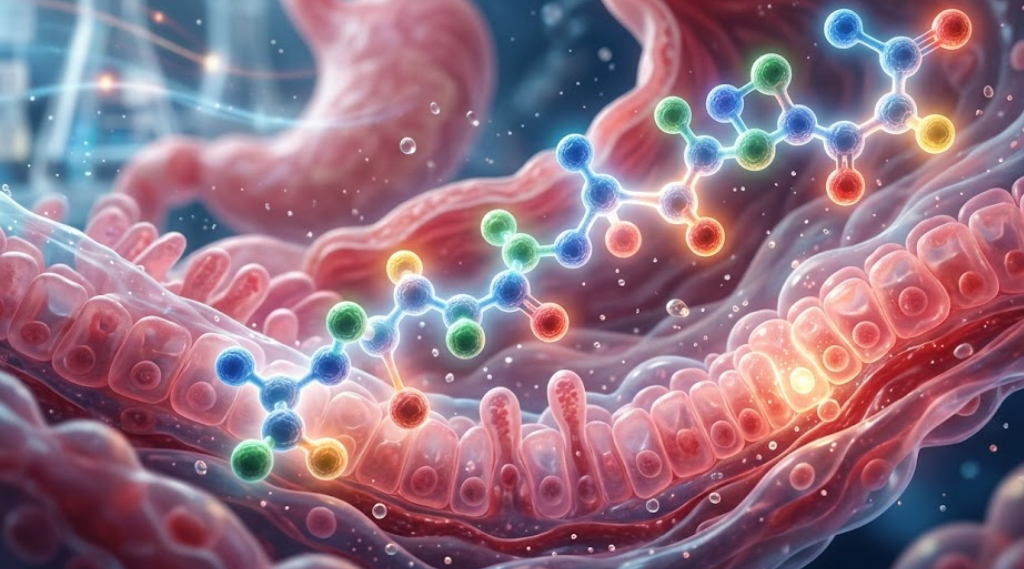
BPC-157 is a synthetic peptide, meaning it is a short chain of amino acids created to resemble a naturally occurring protein fragment found in gastric juice.
Researchers became interested in BPC-157 because of its potential influence on biological processes involved in tissue repair and healing.
In laboratory research, BPC-157 has been studied for its possible effects on:
These findings have generated significant scientific interest.
However, it’s important to understand that most of this research has been conducted in laboratory settings and animal models.
Whether these findings translate into safe, effective, and predictable benefits for people remains an area of ongoing investigation.
Understanding this distinction is essential when evaluating claims made about BPC-157 online.
Interest in regenerative medicine has grown rapidly over the past decade.
People are increasingly looking for therapies that may support faster healing, reduce downtime after injuries, and improve recovery from physical activity.
Because early research suggested BPC-157 might influence multiple aspects of tissue repair, it quickly gained attention among:
At the same time, online marketing has often moved faster than the science itself.
It’s common to see claims that BPC-157 can:
While these claims are appealing, current scientific evidence does not support many of these broad conclusions.
The reality is more balanced.
Researchers continue studying BPC-157 because its biological activity is interesting.
But responsible healthcare requires distinguishing between promising research and proven medical treatment.
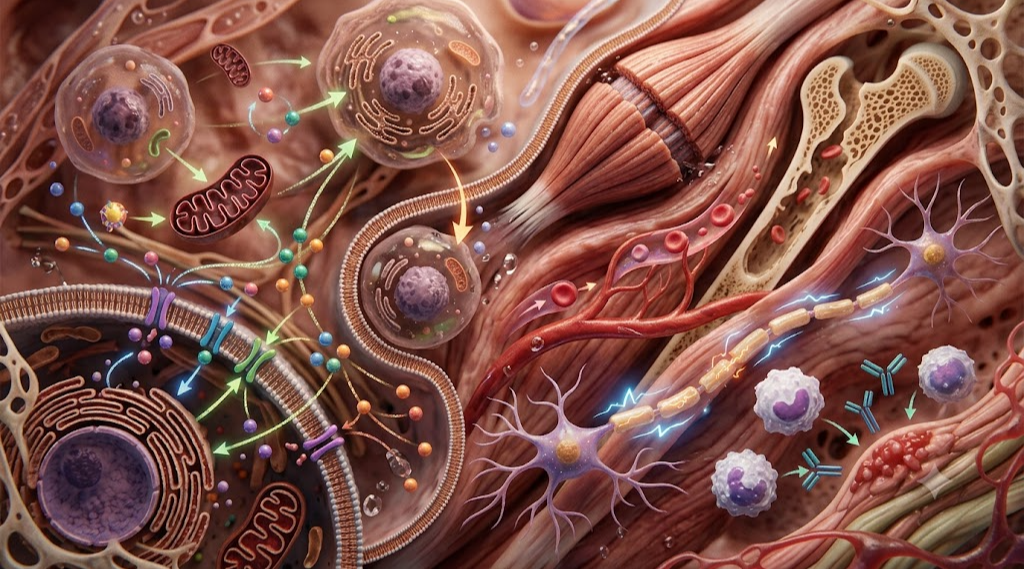
Scientists are still working to understand exactly how BPC-157 may influence healing.
Current research suggests it may interact with several biological processes involved in tissue repair.
Areas under investigation include:
Healthy tissue repair depends on an adequate blood supply.
Some laboratory studies suggest BPC-157 may influence angiogenesis, the process through which new blood vessels develop.
This could potentially support healing by improving delivery of oxygen and nutrients to damaged tissues.
However, whether these findings translate into meaningful clinical benefits for humans remains uncertain.
Inflammation is a normal part of the healing process.
Researchers are studying whether BPC-157 may influence inflammatory signaling involved in tissue recovery.
Balanced inflammation is important because too little or too much inflammation can both affect healing.
More human research is needed before understanding exactly how BPC-157 may influence these pathways.
Early research has also explored whether BPC-157 may affect cells involved in repairing connective tissue.
Scientists continue investigating how it may influence:
Although these findings are scientifically interesting, laboratory observations should not be interpreted as proof of clinical effectiveness in humans.
Regenerative medicine is one of the fastest-growing areas of healthcare, and peptides like BPC-157 have generated understandable interest among patients seeking better recovery options.
We believe innovation should always be balanced with evidence.
While early research involving BPC-157 is promising, we encourage patients to view emerging therapies through the lens of current scientific evidence—not marketing claims.
Our goal is to help patients understand both the possibilities and the limitations of peptide therapy, so they can make informed decisions that prioritize safety, realistic expectations, and long-term health.

One of the biggest reasons BPC-157 has gained attention is the growing body of laboratory research exploring its potential role in tissue healing.
Early studies suggest that BPC-157 may influence several biological processes involved in recovery, including inflammation, blood vessel formation, and cellular repair.
These findings are encouraging.
However, it’s equally important to understand where this evidence comes from.
Most of what we know today is based on:
While these studies help researchers understand how BPC-157 behaves biologically, they do not provide enough evidence to confirm that it is safe or effective for widespread clinical use.
This distinction is one of the most important things patients should understand before considering peptide therapy.
Researchers continue investigating whether BPC-157 may support healing in several areas.
Current research has explored its possible role in:
Much of the scientific interest in BPC-157 comes from studies involving connective tissue injuries.
Animal research has suggested that BPC-157 may influence biological pathways involved in repairing tendons and ligaments after injury.
These findings have generated interest among clinicians and researchers studying musculoskeletal recovery.
However, large human clinical trials confirming these benefits are still lacking.
Some preclinical studies have investigated whether BPC-157 may support muscle healing after injury.
Researchers are exploring whether it influences:
Although these findings are promising, they have not yet established routine clinical effectiveness in humans.
Because BPC-157 was originally derived from a protein fragment found in gastric juice, researchers have also studied its possible role in gastrointestinal health.
Laboratory research has explored potential effects on:
These studies continue to expand scientific understanding but should not be interpreted as proof that BPC-157 effectively treats digestive disorders in people.
Researchers have also explored whether BPC-157 may influence recovery following various types of tissue injury.
Areas under investigation include:
While these research directions remain interesting, much more human evidence is needed before conclusions can be made regarding routine clinical use.
Although BPC-157 has attracted significant attention, many important questions remain unanswered.
Current research has not yet established:
These knowledge gaps are common with emerging therapies.
Scientific research takes time, and responsible medical recommendations depend on strong clinical evidence—not early enthusiasm alone.
When evaluating BPC-157, it’s helpful to understand the overall strength of the available evidence.
Most published research currently comes from:
High-quality evidence still requires:
Until those studies are available, healthcare providers cannot confidently determine whether BPC-157 consistently improves healing outcomes across diverse patient populations.
This is why many experts describe BPC-157 as promising but still investigational.
Current evidence surrounding BPC-157 can be summarized in a few important points:
Understanding these facts helps place online claims into proper scientific context.
BPC-157 is a good example of why it’s important to distinguish between scientific promise and clinical proof.
Early-stage research often generates excitement because researchers observe interesting biological effects under controlled laboratory conditions.
But healthcare decisions require a much higher standard of evidence.
Before a treatment becomes part of routine medical practice, researchers typically need to demonstrate:
While BPC-157 continues to be studied, current human evidence has not yet reached that level.
For this reason, responsible providers present BPC-157 as an area of ongoing investigation rather than a proven treatment for injuries or tissue repair.
The growing popularity of BPC-157 has been accompanied by an increase in online advertisements, testimonials, and social media content that often present the peptide as a proven solution for a wide range of injuries.
While these stories may be compelling, they should not be confused with high-quality medical evidence.
Marketing materials frequently emphasize encouraging laboratory findings while overlooking important limitations, including the lack of large human clinical trials, unanswered safety questions, and the evolving regulatory landscape.
This does not necessarily mean the research lacks value—it simply means that scientific evidence must be interpreted carefully.
Making healthcare decisions based on peer-reviewed research and guidance from qualified healthcare professionals helps reduce the risk of unrealistic expectations and supports safer, more informed treatment choices.

Because BPC-157 is widely discussed online, separating facts from marketing claims is essential.
Myth | Fact |
BPC-157 can heal every injury. | No high-quality human research supports this claim. |
BPC-157 is proven to repair tendons and ligaments in people. | Most supporting evidence comes from laboratory and animal studies. |
BPC-157 is FDA-approved for injury treatment. | BPC-157 is not FDA-approved for treating injuries or other medical conditions. |
If it works in animals, it will work the same way in humans. | Animal studies help guide research but cannot predict human outcomes with certainty. |
Because it’s called a peptide, it’s automatically safe. | Like any investigational therapy, BPC-157 requires careful evaluation because long-term human safety remains uncertain. |
One of the most common questions surrounding BPC-157 is whether it is legal.
The answer is more complicated than a simple yes or no.
Currently:
It’s also important to understand that availability does not equal FDA approval.
Even if a peptide becomes available through certain channels, that does not mean it has been proven safe and effective through the rigorous approval process required for prescription medications.
Patients should rely on qualified healthcare providers—not internet marketing—to understand the current regulatory status of peptide therapies.
Whenever a therapy gains popularity before strong human research is available, safety becomes just as important as effectiveness.
Although BPC-157 has shown a relatively favorable safety profile in laboratory and animal studies, this should not be interpreted as proof that it is safe for widespread human use.
At present, high-quality human safety data remain limited.
This means researchers still do not fully understand:
Until more comprehensive clinical research becomes available, BPC-157 should be viewed as an investigational therapy rather than a routine medical treatment.
Like many emerging peptide therapies, BPC-157 raises important questions that research has not yet fully answered.
Current areas of uncertainty include:
Most available research has followed laboratory models rather than people over many years.
As a result, healthcare providers cannot yet determine the long-term safety of repeated or prolonged BPC-157 use.
Because BPC-157 may influence processes involved in tissue repair and blood vessel formation, researchers continue investigating whether these biological effects could have unintended consequences in certain individuals.
For example, scientists are still studying how these pathways behave in people with complex medical conditions.
More research is needed before firm conclusions can be drawn.
One of the greatest practical risks may not come from the peptide itself—but from where it is obtained.
Many products marketed online are sold as:
These products are often not manufactured under pharmaceutical-quality standards, and independent testing has identified problems such as:
For this reason, reputable sourcing and medical supervision remain essential whenever peptide therapy is considered.
The growing popularity of peptides has led to an increase in products sold through websites that operate outside traditional healthcare systems.
Unfortunately, product labels do not always reflect what’s actually inside the vial.
Independent quality testing has found that some unregulated peptide products may contain:
Even if future research demonstrates benefits for BPC-157, product quality will remain an essential part of patient safety.
Working with a qualified healthcare provider helps ensure that any treatment being considered comes from reputable, appropriately regulated sources rather than unverified online vendors.
Because human safety data remain limited, certain individuals should be especially cautious before considering BPC-157.
This includes people who:
A comprehensive medical evaluation can help determine whether investigational therapies are appropriate based on an individual’s medical history and healthcare goals.

Athletes are often among the groups most interested in therapies that may support injury recovery.
However, competitive athletes should recognize that peptide regulations can differ from general medical practice.
Anti-doping organizations regularly review peptide therapies, and eligibility rules may change over time.
Anyone participating in organized or professional sports should verify current regulations with the appropriate governing body before considering any peptide treatment.
Protecting both health and athletic eligibility requires staying informed about evolving anti-doping policies.
It’s understandable to look for therapies that might speed healing after an injury.
But it’s equally important to remember that no peptide replaces an accurate diagnosis and a well-designed recovery plan.
Persistent pain, severe swelling, joint instability, numbness, weakness, or signs of infection should always be evaluated by a qualified healthcare professional.
Treating symptoms without understanding the underlying injury may delay appropriate care and increase the risk of long-term complications.
Whether recovery involves physical therapy, rehabilitation, medication, or other interventions, identifying the root cause remains the first step toward effective healing.
Not every injury can be managed with rest or conservative care alone.
Seek prompt medical evaluation if you experience:
Early evaluation allows healthcare providers to identify serious injuries, recommend appropriate imaging when necessary, and develop a treatment plan that supports optimal recovery.
While researchers continue studying emerging therapies like BPC-157, the strongest evidence for recovery still comes from well-established principles of injury management.
These include:
Although these strategies may not receive the same attention as newer therapies, they remain the foundation of evidence-based recovery.
Interest in regenerative medicine continues to grow as researchers explore innovative ways to support healing and recovery.
At Holistic Medical Wellness, we recognize the potential of emerging therapies like BPC-157 while also acknowledging the importance of scientific rigor.
When patients ask whether BPC-157 is right for them, our approach begins with understanding the complete picture—not just the injury itself.
We evaluate medical history, current health conditions, rehabilitation progress, lifestyle factors, and individual goals before discussing any investigational therapy.
Most importantly, we believe patients deserve honest conversations about what current research supports, where evidence remains limited, and which proven treatments should remain the foundation of recovery.
Innovation has an important place in healthcare—but it should always be guided by evidence, safety, and personalized medical care.
If you’re considering BPC-157, the most important question isn’t simply whether it might help—it’s whether it’s appropriate for your individual health situation.
Every injury, every patient, and every recovery journey is different.
For some people, improving rehabilitation, nutrition, sleep, physical therapy, or addressing an underlying medical condition may have a greater impact on healing than exploring an investigational peptide.
If BPC-157 is being considered, the decision should always involve a qualified healthcare provider who can evaluate:
The goal is not simply to find the newest therapy—but to choose the safest and most effective treatment plan based on your individual needs.
Before making any decision about peptide therapy, consider discussing these questions with your healthcare provider:
Open conversations like these help patients make informed decisions based on science rather than marketing.
BPC-157 is an investigational peptide that has been studied for its potential role in tissue repair, tendon healing, ligament recovery, muscle healing, and gastrointestinal health.
Although early laboratory and animal research has shown promising findings, robust human clinical evidence remains limited.
Researchers continue studying BPC-157 because of its interesting biological activity.
However, there is currently insufficient high-quality human evidence to conclude that it consistently improves healing outcomes across a wide range of injuries or medical conditions.
No.
BPC-157 is not approved by the U.S. Food and Drug Administration (FDA) for treating injuries, pain, or other medical conditions.
Its regulatory status continues to evolve, and patients should discuss current guidance with a qualified healthcare provider.
The long-term safety of BPC-157 in humans has not been fully established.
While animal studies have generally reported a favorable safety profile, more comprehensive human clinical trials are needed to better understand potential risks and side effects.
The regulatory landscape surrounding BPC-157 continues to change.
Availability through certain channels should not be confused with FDA approval or proof of clinical effectiveness.
Patients should always verify current regulations with a qualified healthcare professional.
No.
Regardless of whether emerging therapies are considered, proper diagnosis, rehabilitation, progressive exercise, nutrition, sleep, and evidence-based medical care remain the foundation of injury recovery.
BPC-157 represents one of the most widely discussed peptides in regenerative medicine, but it also illustrates an important principle of evidence-based healthcare:
Scientific promise should never be mistaken for clinical proof.
Early laboratory and animal studies have provided valuable insights into how BPC-157 may influence tissue repair and healing. These findings continue to guide ongoing research and have sparked growing interest among clinicians and researchers.
However, based on the evidence available today, there is not enough high-quality human research to conclude that BPC-157 is a proven treatment for injuries, pain, or tissue regeneration.
For patients considering peptide therapy, the most responsible approach is one grounded in evidence, realistic expectations, and personalized medical guidance.
As research continues to evolve, our understanding of BPC-157 may also change. Until then, proven recovery strategies—including accurate diagnosis, individualized rehabilitation, balanced nutrition, quality sleep, physical therapy, and appropriate medical care—remain the strongest foundation for healing.
This article is intended for educational purposes only and should not be considered medical advice, diagnosis, or treatment.
Because research involving peptides continues to evolve, recommendations may change as new evidence becomes available.
Always consult a qualified healthcare professional before starting, stopping, or changing any medication, supplement, or peptide therapy. Treatment decisions should always be based on your medical history, current health status, and individualized clinical evaluation.