Subtotal $0.00

Feel Free To Contact Us at
- Phone:(888)-896-5577
- Email:dr.koffler@hmwcenter.com
Subscribe to our Newsletter and get the latest updates in the field of Holistic Medicine

For decades, healthcare has often worked like a fire alarm: the disease appears, symptoms get worse, and then treatment begins. But what if the future of medicine is not only about reacting to illness, but identifying risks earlier, personalizing care, and helping the body stay healthier for longer?
This question matters more than ever. According to the World Health Organization, noncommunicable diseases such as heart disease, cancer, diabetes, and chronic respiratory conditions are responsible for more than 43 million deaths worldwide each year. Many of these conditions develop silently over time, long before symptoms become serious enough to send someone to the doctor.
That is why the future of personalized medicine is becoming one of the most important conversations in healthcare today.
Recent breakthroughs in metabolic health, cancer treatment, gene editing, artificial intelligence, and immunotherapy suggest that medicine may be entering a new era. Instead of only managing disease after it appears, researchers are developing ways to detect problems earlier, target disease at the genetic or cellular level, and create treatments based on a person’s unique biology.
For patients, this shift is powerful. It means healthcare may become more proactive, more precise, and more focused on prevention. For functional and integrative medicine providers, it also reinforces a familiar idea: the body should be understood as a connected system, not a collection of isolated symptoms.
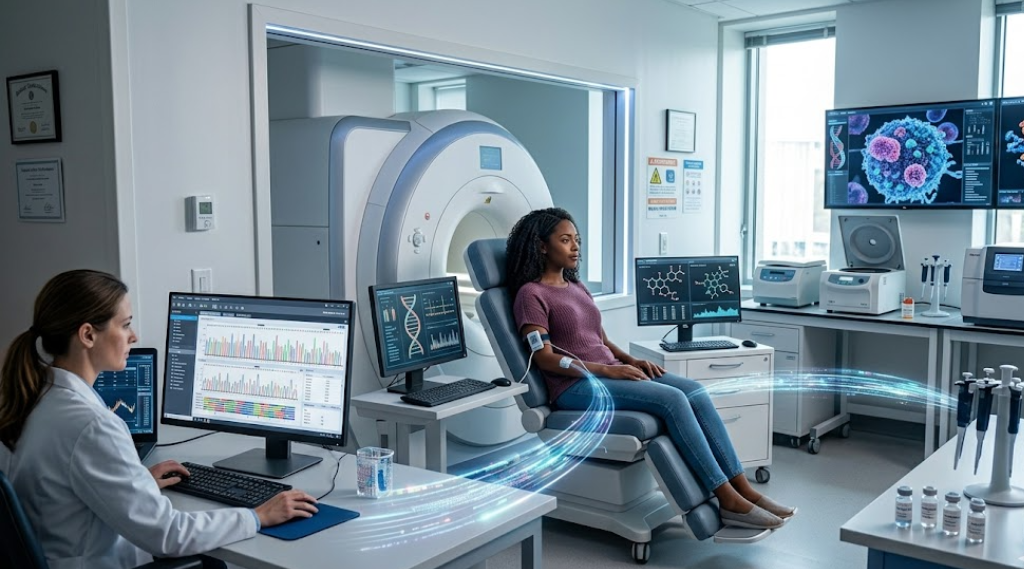
Personalized medicine means healthcare that is designed around the individual person, not just the disease name.
In the past, many patients with the same condition were often given the same type of treatment. But every person’s body is different. Two people can have the same diagnosis, but their age, family history, lifestyle, hormones, metabolism, stress levels, gut health, and genes may all be different.
That is why personalized medicine is becoming so important.
Instead of asking only, “What disease does this person have?” personalized medicine also asks, “Why is this happening in this person’s body?” This helps doctors and healthcare providers look deeper and create a care plan that better fits the patient.
For example, if someone has high cholesterol, the goal is not only to lower the number on a lab report. A personalized approach may also look at diet, inflammation, weight, blood sugar, stress, sleep, family history, and heart disease risk. This gives a fuller picture of the person’s health.
The same idea applies to cancer care, weight management, hormone balance, diabetes risk, and many other health concerns. New tools like genetic testing, advanced lab work, artificial intelligence, and targeted treatments are helping healthcare become more specific and more proactive.
This does not mean that traditional medicine is no longer needed. It means healthcare is becoming more complete. The future of medicine may combine advanced science with everyday health habits like nutrition, movement, sleep, stress management, and preventive testing.
One of the biggest recent breakthroughs in metabolic health is a medication called retatrutide.
Retatrutide is being studied as a treatment for obesity and weight-related health problems. It is not just another weight-loss drug. Researchers are interested in it because it works on three different body signals that help control appetite, blood sugar, and how the body uses energy.
This is important because obesity is not simply about eating too much or not exercising enough. For many people, weight gain is connected to hormones, blood sugar, inflammation, sleep, stress, genetics, and how the body stores fat. That is why a more complete approach to metabolic health is needed.
In a recent clinical trial, people taking the highest dose of retatrutide lost a large amount of weight on average. This has made doctors and researchers pay close attention. However, it is also important to be clear: retatrutide is still being studied and is not yet a regular treatment available for everyone.
This breakthrough shows where medicine may be heading. Instead of only focusing on the number on the scale, future treatments may focus more on the full picture of metabolic health, including blood sugar, heart health, liver health, inflammation, and long-term disease risk.
Retatrutide may become an important tool in the future, but it is not a replacement for whole-person care. The best results often come when advanced medicine is combined with healthy daily habits and a care plan that is built around the individual person.
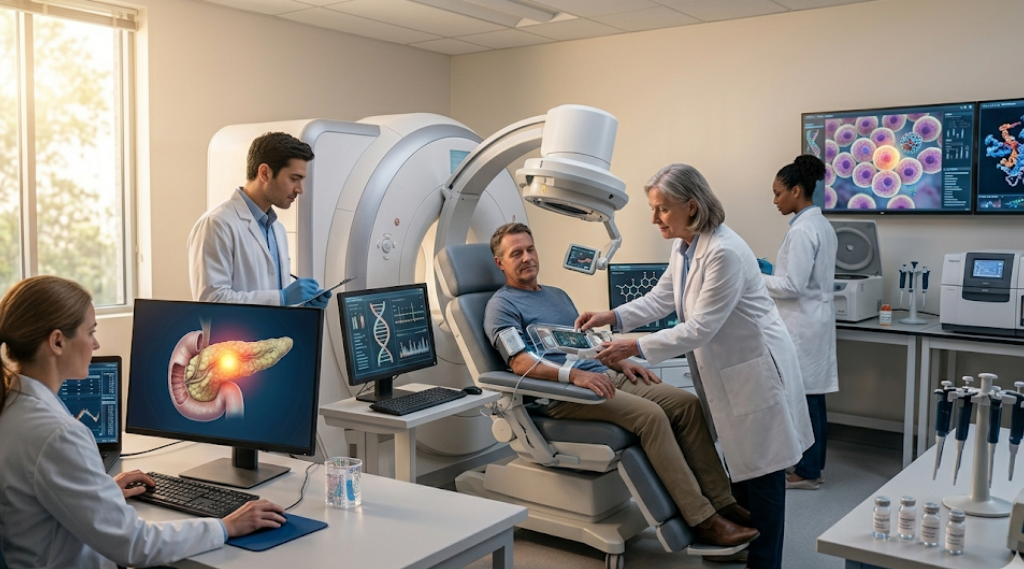
Pancreatic cancer is one of the hardest cancers to treat. One reason is that it often grows quietly. Many people do not notice clear symptoms until the cancer has already spread. By that time, treatment becomes much more difficult.
The pancreas is a small organ behind the stomach. It helps with digestion and blood sugar control. When cancer starts there, it can grow fast and may not be found early.
For many years, doctors have had limited treatment options for advanced pancreatic cancer. Chemotherapy has helped some patients, but it often comes with difficult side effects and does not work well enough for everyone. That is why researchers have been searching for better answers.
One recent breakthrough involves a drug called daraxonrasib. This drug is being studied for people with advanced pancreatic cancer who have already had treatment before.
To understand why this is important, think of cancer cells like a car with the gas pedal stuck down. The cells keep growing and multiplying when they should stop. In many pancreatic cancers, a gene called KRAS is one of the reasons this “gas pedal” gets stuck.
For a long time, scientists found it very difficult to make a drug that could target KRAS. Some even called it almost impossible. But newer medicines are starting to change that.
Daraxonrasib is designed to target this cancer growth signal more directly. In a large clinical trial, patients who took this drug lived longer on average than patients who received standard chemotherapy. This does not mean the drug is a cure, but it is an important step forward for a cancer that has been very difficult to treat.
This breakthrough also shows how cancer care is becoming more personalized. Instead of treating cancer only by where it starts in the body, doctors are learning to look at what is driving the cancer at a deeper level. That can help them choose treatments that match the biology of the cancer more closely.
Still, patients should understand that this treatment is not yet a simple answer for everyone. It is still being studied, and doctors need to look at safety, side effects, long-term results, and which patients are most likely to benefit.
The future of cancer care may not be one-size-fits-all. It may be more personal, more targeted, and more focused on understanding what is happening inside each person’s body.
High cholesterol is one of the biggest risk factors for heart disease. When there is too much “bad” cholesterol in the blood, it can build up inside the arteries. Over time, this can make it harder for blood to flow and may increase the risk of heart attack or stroke.
Today, many people manage high cholesterol with daily or regular medications, such as statins or cholesterol-lowering injections. These treatments can be very helpful, but they usually need to be taken long term.
Now, researchers are studying a new idea: what if cholesterol could be lowered with one treatment instead of years of medication?
One recent breakthrough involves an experimental gene-editing treatment called VERVE-102. Gene editing means making a small change inside the body’s instruction system. In this case, the treatment is designed to affect a gene called PCSK9.
PCSK9 helps control how much “bad” cholesterol stays in the blood. When PCSK9 is too active, the body may have a harder time clearing cholesterol. VERVE-102 is designed to lower PCSK9 activity in the liver, which may help reduce bad cholesterol levels.
In an early study, one dose of VERVE-102 lowered PCSK9 and LDL cholesterol levels in people who were at high risk for heart disease. LDL is the type of cholesterol often called “bad” cholesterol. The results were promising because the effect lasted for months in some patients.
This could be a major step forward because heart disease often develops slowly over many years. If doctors can lower a person’s risk earlier and more effectively, it may help prevent serious problems later in life.
However, this treatment is still being studied. It is not a routine option for patients yet. Researchers still need to learn more about long-term safety, how long the results last, who should receive it, and whether it truly lowers the risk of heart attacks and strokes over time.
This breakthrough is exciting, but it does not replace the basics of heart health. Nutrition, movement, healthy weight, sleep, stress control, blood pressure management, and regular lab testing still matter. For many people, these daily habits are the foundation of prevention.
The big lesson is this: the future of heart care may become more personalized and more proactive. Instead of waiting for heart disease to happen, medicine may help identify risk earlier and treat it in a more targeted way.
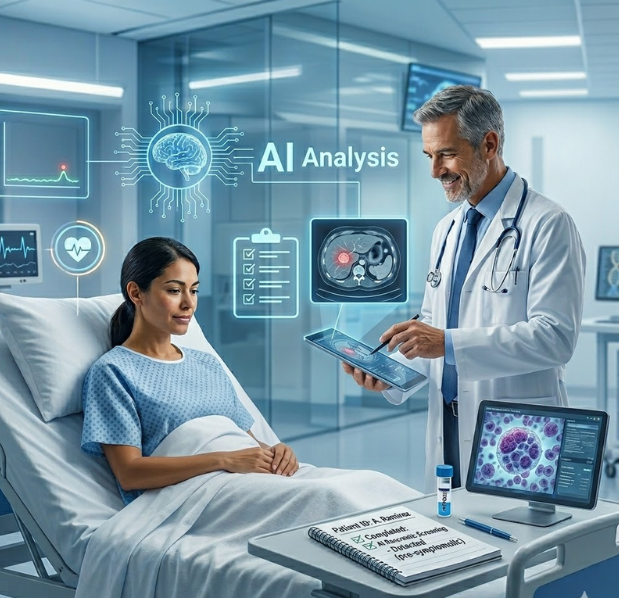
Artificial intelligence, often called AI, is becoming an important tool in healthcare. One of the most promising uses is helping doctors find cancer earlier.
Cancer can be difficult to detect in its early stages. Sometimes a tumor is too small to see clearly. Other times, the first signs are so subtle that even a trained doctor may not notice them right away.
This is where AI may help.
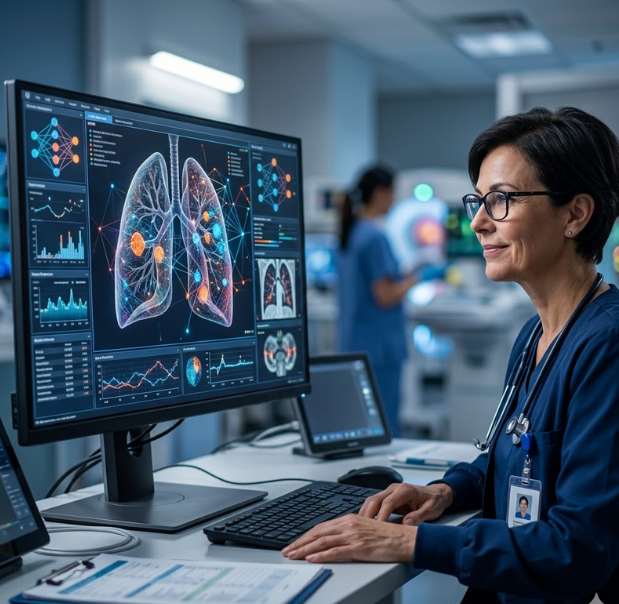
AI can be trained to study thousands or even millions of medical images, such as CT scans, MRIs, and X-rays. Over time, it learns to recognize small patterns that may be linked to disease. These patterns may be hard for the human eye to see, but they can give doctors useful clues.
AI does not replace doctors. Instead, it works more like a second set of eyes. A doctor still reviews the patient, the scan, the symptoms, the lab results, and the full medical history. But AI may help point out small warning signs that deserve a closer look.
This could change the future of preventive healthcare. If cancer can be found earlier, patients may have more treatment options and a better chance of recovery. Early detection can make a major difference, especially for cancers that usually stay hidden until they are advanced.
However, AI is not perfect. It can make mistakes. It can sometimes miss a problem, and it can sometimes flag something that turns out not to be cancer. That is why AI should be used carefully, with trained medical professionals guiding the process.
The future of cancer detection may combine the best of both worlds: advanced technology and human medical judgment.
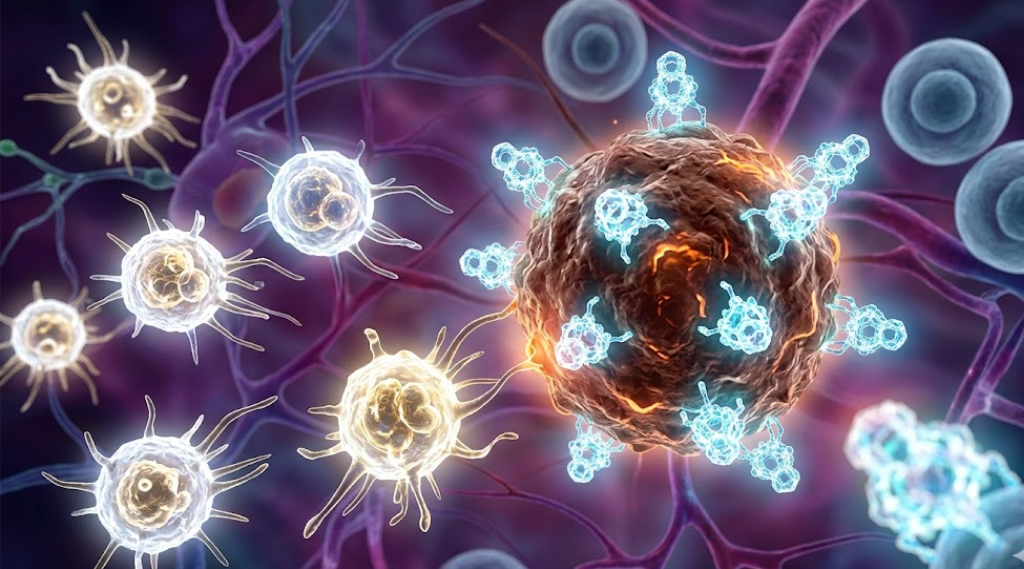
The immune system is the body’s natural defense system. It helps fight infections, remove damaged cells, and protect the body from harmful changes.
One of the immune system’s jobs is to find and attack cancer cells. But cancer is tricky. Some cancer cells learn how to hide from the immune system, almost like putting on a disguise.
This is one reason why some cancer treatments do not work for every patient.
A newer type of cancer treatment, called immunotherapy, is designed to help the immune system recognize and attack cancer. Immunotherapy has helped many people, but it does not work for everyone. In some patients, cancer cells still find ways to stay hidden.
Now, researchers are studying a new drug called GRWD5769. This drug is designed to help remove part of cancer’s “disguise” so the immune system can see the cancer cells more clearly.
Think of it like this: if cancer cells are hiding in the dark, this drug may help turn the lights on. Once the immune system can see the cancer better, other treatments may have a better chance of working.
In an early study, GRWD5769 was given with an immunotherapy drug to patients with several types of advanced cancer. These patients had already tried other treatments before. In some of them, tumors became smaller, which gave researchers a reason to be hopeful.
But it is important to stay balanced. This drug is still being studied. It is not a guaranteed cure, and it is not yet a standard treatment for all cancer patients. Larger studies are still needed to understand how well it works, how safe it is, and which patients may benefit the most.
This breakthrough matters because it shows how cancer care is becoming smarter and more personal. Instead of only attacking cancer from the outside, future treatments may help the body’s own defense system do its job better.
These breakthroughs show that healthcare is moving toward a more personal and preventive approach. Instead of only treating symptoms, modern medicine is learning how to look deeper at the causes of disease.
This connects closely with holistic and functional medicine. Both approaches focus on the whole person, including nutrition, sleep, stress, hormones, metabolism, digestion, family history, and lifestyle.
The body works as one connected system. Weight, heart health, blood sugar, inflammation, immune function, and cancer risk can all influence each other. That is why understanding the full picture of a patient’s health is so important.
Advanced treatments can be powerful, but daily habits still matter. The future of healthcare may combine modern medical tools with personalized wellness plans that help patients prevent disease, lower risks, and support long-term health.
These medical breakthroughs are exciting, but most of them are still being studied. Patients should not stop current treatments or start new ones based only on health news or online videos.
The best step is to speak with a qualified healthcare provider. A doctor or wellness provider can help you understand your personal risks, review your health history, and decide which tests or treatments may be right for you.
Patients can also take simple steps now to support long-term health:
The goal is not to wait until disease appears. The goal is to understand your body earlier, lower your risks, and build a care plan that supports your long-term wellness.
You do not have to wait until you feel seriously sick to ask for help. A functional or integrative medicine provider can help you understand your health earlier and create a plan that fits your body and lifestyle.
You may benefit from this type of care if you are dealing with:
This type of care can also be helpful if your lab results look “normal,” but you still do not feel your best. Sometimes, early warning signs appear before a clear diagnosis.
A personalized wellness plan may include nutrition support, lifestyle changes, lab testing, hormone evaluation, metabolic health support, and regular follow-up care.
The goal is simple: understand what your body needs now so you can lower risks and support better health in the future.
Some of the biggest medical breakthroughs include new treatments for weight and metabolism, targeted cancer drugs, gene editing for cholesterol, AI tools that help find cancer earlier, and new medicines that help the immune system fight cancer.
Retatrutide is still being studied, so it is too early to say it is better for everyone. Early research shows strong weight-loss results, but patients should wait for full approval, safety data, and medical guidance before considering any new treatment.
Gene editing for high cholesterol is still in the research stage. Early results are promising, but it is not yet a regular treatment. More studies are needed to know how safe it is and how long the benefits may last.
AI may help doctors find small signs of cancer earlier on scans. However, AI does not replace doctors. It works best as a support tool that helps medical professionals review images more carefully.
Personalized medicine means healthcare that is designed around the individual person. It looks at a person’s health history, lifestyle, lab results, family history, and personal risks to create a care plan that fits their body.
Functional medicine looks at the whole person, not just symptoms. It may focus on nutrition, sleep, stress, hormones, digestion, metabolism, and lab testing to help find problems earlier and support long-term health.
Some are still being tested in clinical trials and are not available as standard treatments yet. Patients should speak with a qualified healthcare provider before making any medical decisions.
No. You should not stop, start, or change any medication based only on news or online information. Always talk to your doctor or healthcare provider before making changes to your treatment plan.
Medicine is changing quickly. New treatments and technologies are helping doctors understand disease earlier and more clearly than ever before.
The breakthroughs discussed in this article show a future where healthcare may become more personal, more focused on prevention, and better at finding problems before they become serious.
But it is important to stay realistic. Many of these treatments are still being studied. They may not be available for everyone yet, and they should never replace guidance from a qualified healthcare provider.
The most powerful approach to health is often a combination of advanced medical care and strong daily habits. Eating well, staying active, sleeping enough, managing stress, getting regular checkups, and understanding your personal risk factors can all support long-term wellness.
The future of medicine is not only about treating disease. It is about helping people understand their bodies, make informed choices, and take action earlier..